あTokiwa Labo Japanese

JLPT N4 Listening Practice Test 1

Answers and script for all 28 questions.

Answer key

もんだい1Task-based comprehension

  1. 13
  2. 21
  3. 34
  4. 42
  5. 53
  6. 64
  7. 72
  8. 83

もんだい2Comprehension of key points

  1. 13
  2. 22
  3. 34
  4. 41
  5. 52
  6. 63
  7. 71

もんだい3Verbal expressions

  1. 12
  2. 23
  3. 31
  4. 42
  5. 51

もんだい4Quick response

  1. 13
  2. 23
  3. 32
  4. 41
  5. 52
  6. 63
  7. 72
  8. 81

Practice for the JLPT every day

Tokiwa Labo Japanese has vocab reviews, grammar drills and JLPT-style practice questions for N5 through N3. Early access opens in January 2027, and waitlist members get 30% off their first year.

or use your email

We'll email you when your invite is ready. No spam, unsubscribe anytime.

This site is protected by reCAPTCHA and the Google Privacy Policy and Terms of Service apply.

もんだい1Task-based comprehension

1ばんQuestion 1

Replay in the video

女(おんな)の学生(がくせい)は、このあと、まず何(なに)をしますか。

  1. 1. 図書館(としょかん)で本(ほん)を探(さが)す

    The teacher says to do something else before going to the library.

  2. 2. 先生(せんせい)に書(か)いたものを見(み)せる

    The teacher says showing him can wait until next week's class.

  3. 3. 思(おも)ったことを短(みじか)く書(か)くCorrect answer

    The teacher says that before going to the library she should write down briefly what she thinks about it. The library was her own plan, but it comes after that.

  4. 4. 書(か)くことを決(き)める

    She has already decided what to write about.

Script

Narrator

大学(だいがく)で、女(おんな)の学生(がくせい)と先生(せんせい)が話(はな)しています。

At a university, a female student and a teacher are talking.

Narrator

女(おんな)の学生(がくせい)は、このあと、まず何(なに)をしますか。

What will the student do first after this?
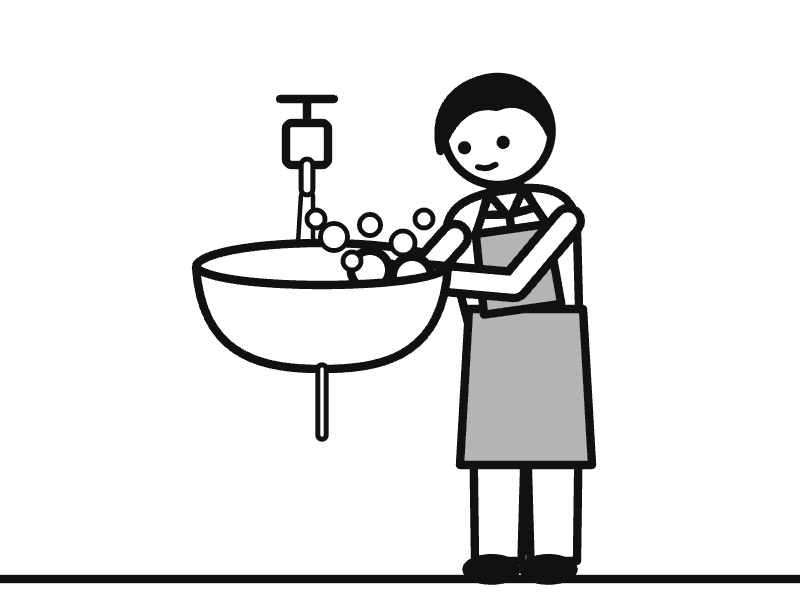
Woman

先生(せんせい)、レポートのことで、ちょっと質問(しつもん)してもいいですか。

Professor, may I ask you something about the report?

Man

はい、どうぞ。

Yes, go ahead.

Woman

何(なに)について書(か)くかは決(き)まったので、まず図書館(としょかん)で本(ほん)を探(さが)そうと思(おも)っているんですが。

I've decided what to write about, so I was thinking of looking for books in the library first.

Man

そうですね。でも、その前(まえ)に、それについて自分(じぶん)がどう考(かんが)えているか、短(みじか)く書(か)いてみてください。

I see. But before that, try writing briefly what you yourself think about it.

Woman

はい。書(か)いたら、先生(せんせい)に見(み)せたほうがいいですか。

OK. Once I've written it, should I show it to you?

Man

いえ、それは来週(らいしゅう)の授業(じゅぎょう)のときでいいですよ。

No, next week's class is fine for that.

Woman

わかりました。じゃあ、すぐやってみます。

Understood. I'll get started right away, then.

Narrator

女(おんな)の学生(がくせい)は、このあと、まず何(なに)をしますか。

What will the student do first after this?
2ばんQuestion 2

Replay in the video

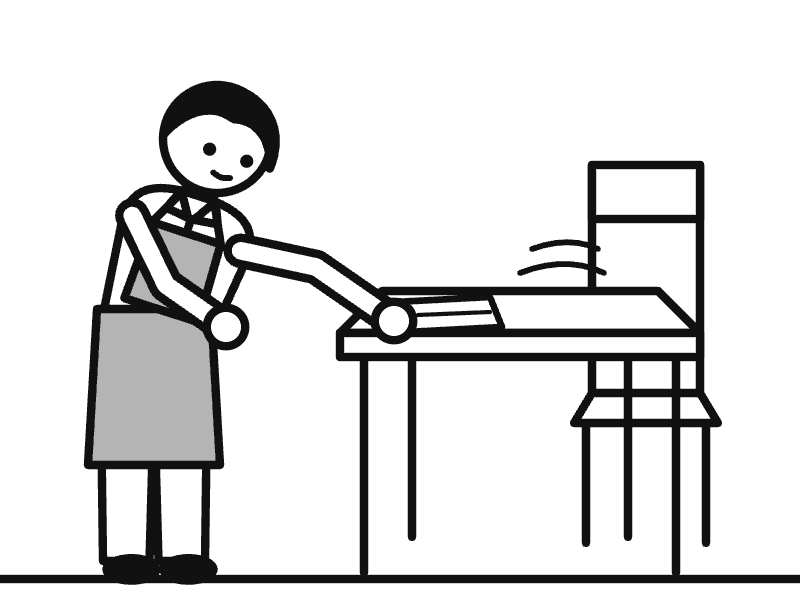
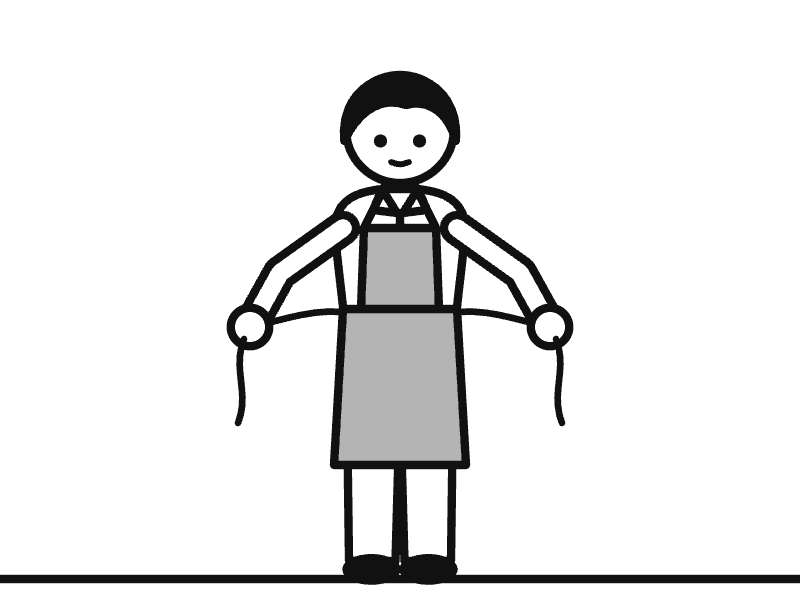
男(おとこ)の人(ひと)は、まず何(なに)をしますか。

  1. 1. 手(て)を洗(あら)うCorrect answer

    The woman first says to wipe the tables, then changes it: wash your hands before that. The apron is already on, so washing hands comes first.

  2. 2. エプロンをつける

    He is already wearing an apron.

  3. 3. テーブルをふく

    He wipes the tables only after washing his hands.

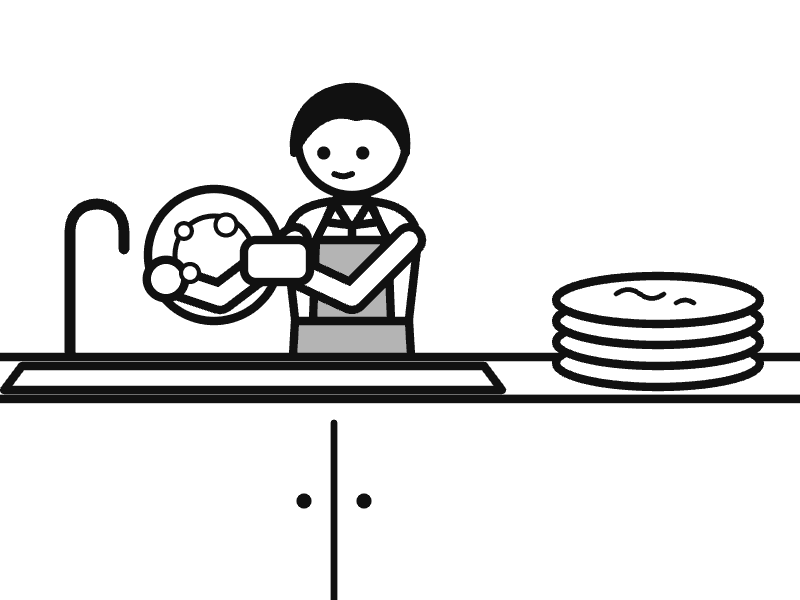
  4. 4. お皿(さら)を洗(あら)う

    She says she will teach dish washing later.

Script

Narrator

喫茶店(きっさてん)で、女(おんな)の人(ひと)と新(あたら)しいアルバイトの男(おとこ)の人(ひと)が話(はな)しています。

At a café, a woman and a new part-time worker (a man) are talking.

Narrator

男(おとこ)の人(ひと)は、まず何(なに)をしますか。

What will the man do first?

Woman

じゃあ、今日(きょう)からよろしくね。まず、テーブルをふいてもらおうかな。

Well, welcome aboard from today. First, I'll have you wipe the tables.

Man

はい。

OK.

Woman

あ、ちょっと待(ま)って。その前(まえ)に、手(て)を洗(あら)ってきて。それから、このエプロンをつけてね。

Oh, wait a moment. Before that, go wash your hands. And then put on this apron.

Man

あのう、エプロンは、もうつけてきました。

Um, I've already put on an apron.

Woman

あ、ほんとだ。じゃあ、手(て)を洗(あら)ったら、テーブルをお願(ねが)いね。お皿(さら)の洗(あら)い方(かた)は、またあとで教(おし)えるから。

Oh, so you did. Then after you wash your hands, please do the tables. I'll show you how to wash the dishes later.

Man

わかりました。

Got it.

Narrator

男(おとこ)の人(ひと)は、まず何(なに)をしますか。

What will the man do first?

3ばんQuestion 3

Replay in the video

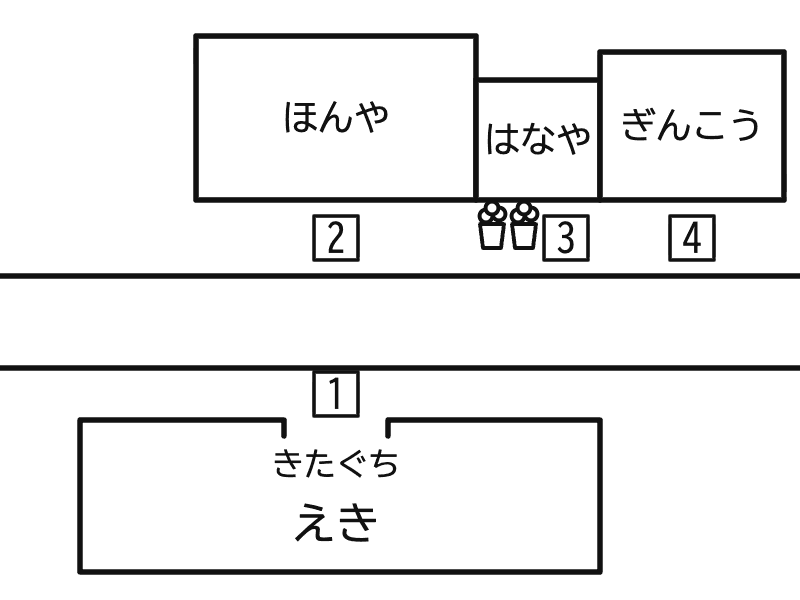
女(おんな)の人(ひと)は、どこで待(ま)ちますか。

A simple street map seen straight from above, black line art; each building is a plain rectangle with its name written inside in hiragana only (no kanji). One wide road runs straight from the left edge to the right edge across the middle of the map. BELOW the road (near side): a long rectangle labelled えき, left of centre; in the middle of its top side (the side facing the road) a gap in the wall labelled きたぐち. ABOVE the road (far side), three rectangles side by side, touching, from left to right: a big one labelled ほんや directly across the road from きたぐち; right next to it on its right a small one labelled はなや, with a few flower buckets drawn on the pavement in front of it; right next to that on its right a medium one labelled ぎんこう. No people, no cars, no other words. The marks are the numbers 1-4, each in a small square box sitting on the pavement: 1 on the pavement just outside きたぐち (station side of the road); 2 on the far-side pavement directly in front of ほんや; 3 on the far-side pavement directly in front of はなや (next to the flower buckets); 4 on the far-side pavement directly in front of ぎんこう. Marks: 1 just outside the station's north exit; 2 in front of the bookstore; 3 in front of the flower shop; 4 in front of the bank.
  1. 1. 駅(えき)の北口(きたぐち)

    The north exit is only where she comes out, not where they meet.

  2. 2. 本屋(ほんや)の前(まえ)

    He says it is too crowded in front of the bookstore.

  3. 3. 花屋(はなや)の前(まえ)

    He says there is nowhere to stand in front of the flower shop.

  4. 4. 銀行(ぎんこう)の前(まえ)Correct answer

    The man rejects the bookstore (too crowded) and then the flower shop (flowers set out, nowhere to stand), and picks the bank to the right of the flower shop.

Script

Narrator

女(おんな)の人(ひと)と男(おとこ)の人(ひと)が電話(でんわ)で話(はな)しています。

A woman and a man are talking on the phone.

Narrator

女(おんな)の人(ひと)は、どこで待(ま)ちますか。

Where will the woman wait?

Woman

もしもし、今(いま)、駅(えき)に着(つ)いたよ。どこで待(ま)ってればいい?

Hello, I just got to the station. Where should I wait?

Man

北口(きたぐち)を出(で)ると、前(まえ)に大(おお)きい本屋(ほんや)があるでしょ。

When you come out of the north exit, there's a big bookstore in front of you, right?

Woman

うん、見(み)える。

Yeah, I can see it.

Man

本屋(ほんや)の前(まえ)は人(ひと)が多(おお)くて、わかりにくいから…。本屋(ほんや)の右(みぎ)に、花屋(はなや)があるの、わかる?

There are lots of people in front of the bookstore, so it'd be hard to find you... Do you see the flower shop to the right of the bookstore?

Woman

花屋(はなや)?あ、あった。じゃ、その前(まえ)で待(ま)ってるね。

Flower shop? Oh, there it is. Then I'll wait in front of it.

Man

うーん、花屋(はなや)の前(まえ)は花(はな)がたくさん並(なら)んでて、立(た)つところがないんだよね。花屋(はなや)の右(みぎ)の、銀行(ぎんこう)の前(まえ)にしよう。

Hmm, in front of the flower shop there are lots of flowers set out, so there's nowhere to stand. Let's make it in front of the bank, to the right of the flower shop.

Woman

あ、銀行(ぎんこう)ね。わかった。

Oh, the bank. Got it.

Narrator

女(おんな)の人(ひと)は、どこで待(ま)ちますか。

Where will the woman wait?

4ばんQuestion 4

Replay in the video

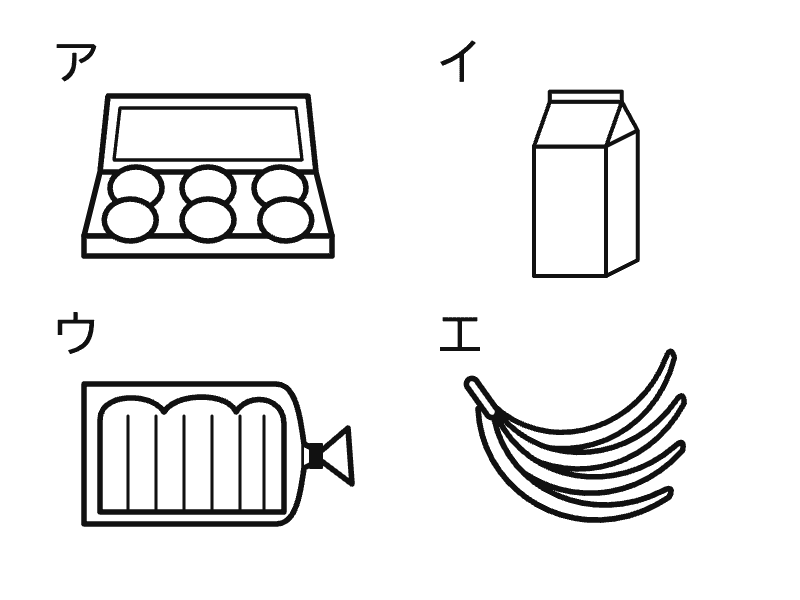
男(おとこ)の人(ひと)は、何(なに)を買(か)ってきますか。

One drawing of four separate grocery items arranged two above two, black line art, no words or prices on any of them. Top left, labelled ア: an open egg carton with six eggs. Top right, labelled イ: a gable-top milk carton (plain, no writing, a simple cow-free design). Bottom left, labelled ウ: a loaf of sliced white bread (食パン) in a plain bag. Bottom right, labelled エ: a bunch of four bananas. Each katakana letter is printed just above its item, top-left of it. Items: ア Eggs; イ Milk; ウ Bread; エ Bananas.
  1. 1. アイ(卵(たまご)と牛乳(ぎゅうにゅう))

    There is already milk in the fridge, so she says no milk.

  2. 2. アエ(卵(たまご)とバナナ)Correct answer

    Milk is dropped because there are two cartons at home, and bread is dropped because the man already bought some. She asks for bananas instead, so he buys eggs and bananas.

  3. 3. イウ(牛乳(ぎゅうにゅう)とパン)

    Milk is at home and the man already bought bread.

  4. 4. ウエ(パンとバナナ)

    He already bought bread earlier, and eggs are missing.

Script

Narrator

家(いえ)で、女(おんな)の人(ひと)と男(おとこ)の人(ひと)が話(はな)しています。

At home, a woman and a man are talking.

Narrator

男(おとこ)の人(ひと)は、何(なに)を買(か)ってきますか。

What will the man buy?

Woman

ねえ、スーパーに行(い)くなら、ちょっと買(か)い物(もの)、頼(たの)んでもいい?

Hey, if you're going to the supermarket, can I ask you to pick up a few things?

Man

いいよ。何(なに)?

Sure. What?

Woman

卵(たまご)と牛乳(ぎゅうにゅう)。あ、牛乳(ぎゅうにゅう)はまだ冷蔵庫(れいぞうこ)にあったかな。

Eggs and milk. Oh, wait, maybe there's still milk in the fridge.

Man

ちょっと見(み)てみるね。…うん、牛乳(ぎゅうにゅう)は2本(にほん)あるよ。

Let me take a look... Yeah, there are two cartons of milk.

Woman

じゃあ、牛乳(ぎゅうにゅう)はいいや。卵(たまご)と、あとパンもお願(ねが)い。

Then no milk. Eggs, and bread too, please.

Man

パンなら、さっき僕(ぼく)が買(か)ってきたよ。テーブルの上(うえ)に置(お)いてある。

I bought bread earlier. It's on the table.

Woman

あ、ほんと?ありがとう。じゃあ、かわりにバナナを買(か)ってきてくれる?

Oh, really? Thanks. Then could you get bananas instead?

Man

わかった。

OK.

Narrator

男(おとこ)の人(ひと)は、何(なに)を買(か)ってきますか。

What will the man buy?

5ばんQuestion 5

Replay in the video

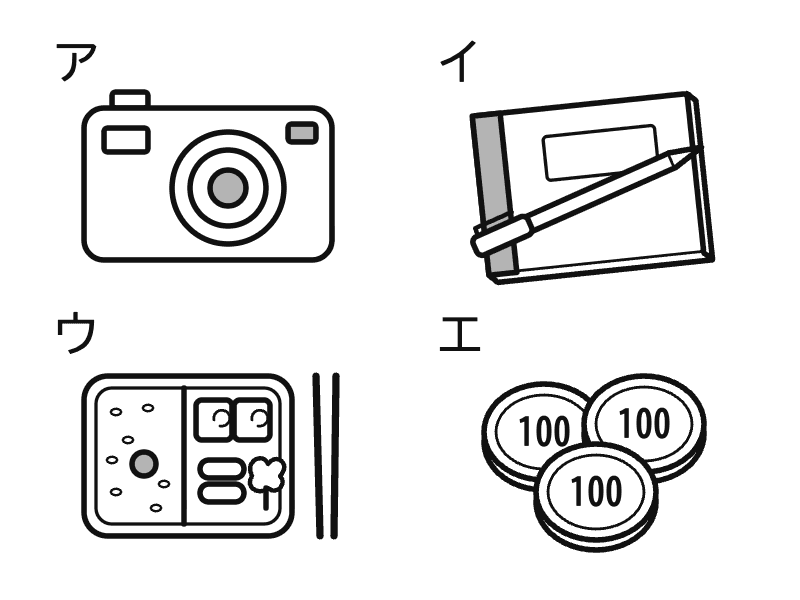
学生(がくせい)は、明日(あした)、何(なに)を持(も)っていきますか。

One drawing of four separate objects arranged two above two, black line art, no words anywhere. Top left, labelled ア: a small compact camera. Top right, labelled イ: a closed notebook with a ballpoint pen lying across it (draw both together as one item). Bottom left, labelled ウ: an open bento lunch box showing rice and a few pieces of food, chopsticks beside it. Bottom right, labelled エ: three coins, each with the number 100 on its face (Japanese 100-yen coins). Each katakana letter is printed just above its item, top-left of it. Items: ア A camera; イ A notebook and pen; ウ A packed lunch; エ Money.
  1. 1. アイ(カメラ・ノートとペン)

    Photos are not allowed, so the teacher says not to bring a camera.

  2. 2. アウ(カメラ・お弁当(べんとう))

    No camera is allowed, and lunch is the factory's bread.

  3. 3. イエ(ノートとペン・お金(かね))Correct answer

    The teacher says to bring a notebook and pen for the essay and not to forget train money. No camera (photos are not allowed) and no packed lunch (they eat the factory's bread).

  4. 4. ウエ(お弁当(べんとう)・お金(かね))

    They eat the factory's bread, so no packed lunch is needed.

Script

Narrator

学校(がっこう)で、先生(せんせい)が話(はな)しています。

At a school, a teacher is talking.

Narrator

学生(がくせい)は、明日(あした)、何(なに)を持(も)っていきますか。

What will the students take with them tomorrow?

Woman

みなさん、明日(あした)は、パン工場(こうじょう)を見(み)に行(い)きます。

Everyone, tomorrow we're going to visit a bread factory.

Woman

工場(こうじょう)の中(なか)では写真(しゃしん)をとってはいけないので、カメラは持(も)ってこないでください。工場(こうじょう)の人(ひと)の話(はなし)を聞(き)いて、あとで作文(さくぶん)を書(か)きますから、ノートとペンを持(も)ってきてください。

You may not take photos inside the factory, so please don't bring a camera. We'll listen to the factory staff and write an essay afterwards, so please bring a notebook and a pen.

Woman

お昼(ひる)ご飯(はん)は、工場(こうじょう)で作(つく)ったパンを食(た)べますから、お弁当(べんとう)はいりません。それから、帰(かえ)りは電車(でんしゃ)に乗(の)りますから、電車(でんしゃ)のお金(かね)を忘(わす)れないでください。

For lunch we'll eat bread made at the factory, so you don't need a packed lunch. And we'll take the train back, so don't forget money for the train.

Narrator

学生(がくせい)は、明日(あした)、何(なに)を持(も)っていきますか。

What will the students take with them tomorrow?

6ばんQuestion 6

Replay in the video

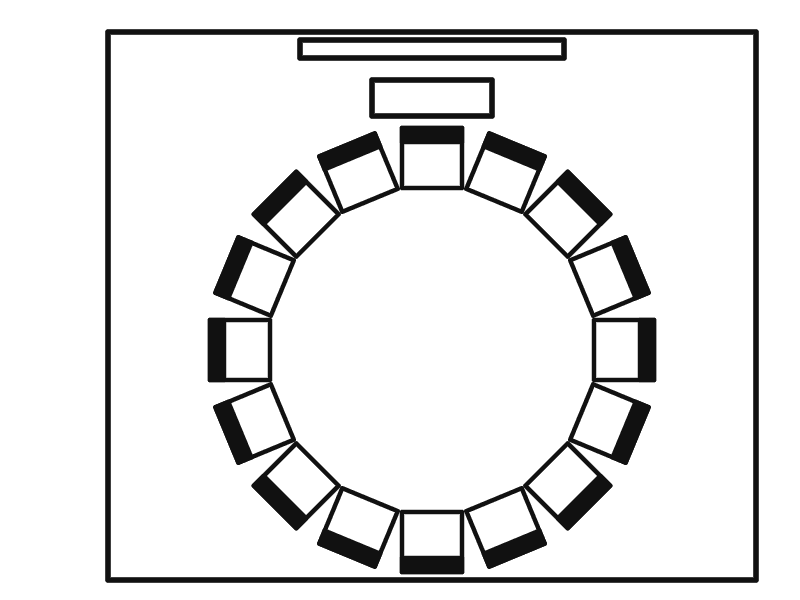
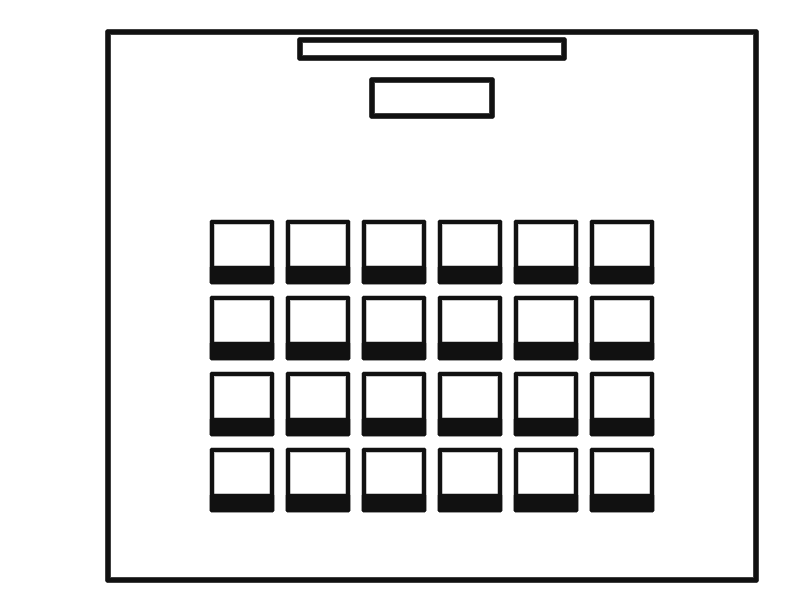
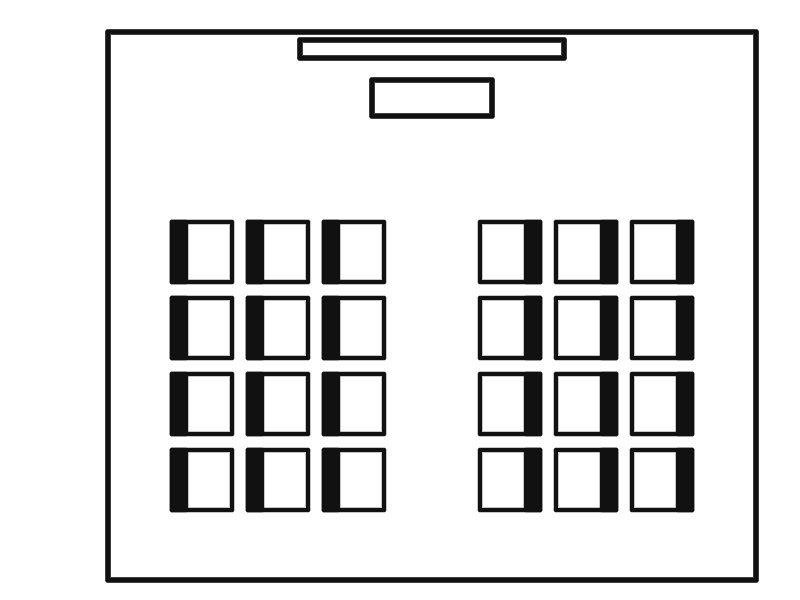
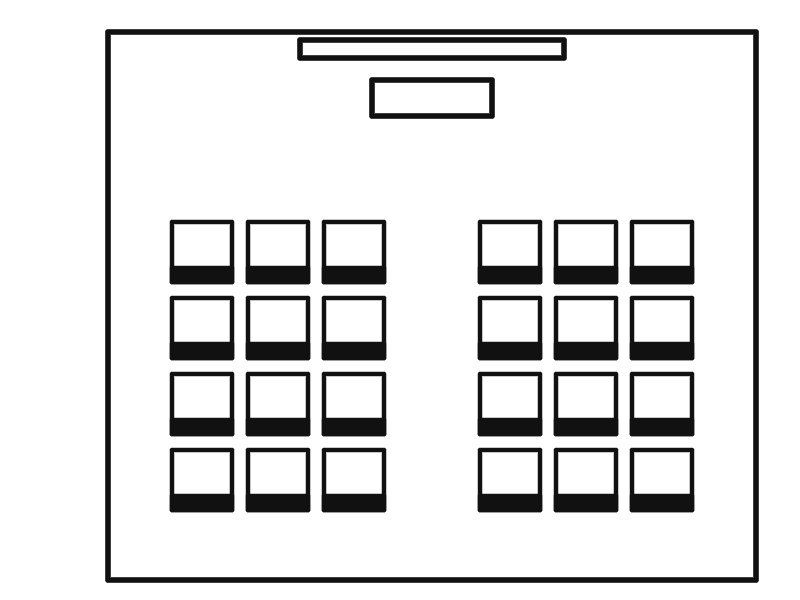
男(おとこ)の人(ひと)は、いすをどのように並(なら)べますか。

  1. 1. 丸(まる)く並(なら)べる

    She says no circle because it is not a discussion.

  2. 2. 前(まえ)を見(み)て、道(みち)を作(つく)らないで並(なら)べる

    She asks for a path down the middle, so one block is wrong.

  3. 3. 右(みぎ)と左(ひだり)で、まん中(なか)のほうを見(み)て並(なら)べる

    The chairs must face the front, not each other.

  4. 4. 前(まえ)を見(み)て、右(みぎ)と左(ひだり)に半分(はんぶん)ずつ並(なら)べるCorrect answer

    The chairs must face the front, and then she adds a path down the middle, so the rows are split into left and right, all still facing the front.

Script

Narrator

会場(かいじょう)で、女(おんな)の人(ひと)と男(おとこ)の人(ひと)が話(はな)しています。

At an event hall, a woman and a man are talking.

Narrator

男(おとこ)の人(ひと)は、いすをどのように並(なら)べますか。

How will the man arrange the chairs?

Woman

すみません、いすを並(なら)べるのを手伝(てつだ)ってもらえますか。明日(あした)、ここで先生(せんせい)のお話(はなし)を聞(き)く会(かい)があるんです。

Excuse me, could you help me set out the chairs? Tomorrow there's an event here where people listen to a talk by a teacher.

Man

いいですよ。丸(まる)く並(なら)べましょうか。

Sure. Shall I put them in a circle?

Woman

いえ、みんなで話(はな)す会(かい)じゃないので、前(まえ)を見(み)て座(すわ)れるように並(なら)べてください。

No, it's not a discussion, so please set them out so people sit facing the front.

Man

わかりました。じゃあ、前(まえ)から並(なら)べていきますね。

Understood. Then I'll set them out starting from the front.

Woman

あ、それから、まん中(なか)に、人(ひと)が通(とお)れる道(みち)を作(つく)ってください。

Oh, and please leave a path down the middle that people can walk through.

Man

はい。じゃあ、右(みぎ)と左(ひだり)に半分(はんぶん)ずつ並(なら)べますね。

OK. Then I'll put half on the right and half on the left.

Woman

ええ、お願(ねが)いします。

Yes, please.

Narrator

男(おとこ)の人(ひと)は、いすをどのように並(なら)べますか。

How will the man arrange the chairs?

7ばんQuestion 7

Replay in the video

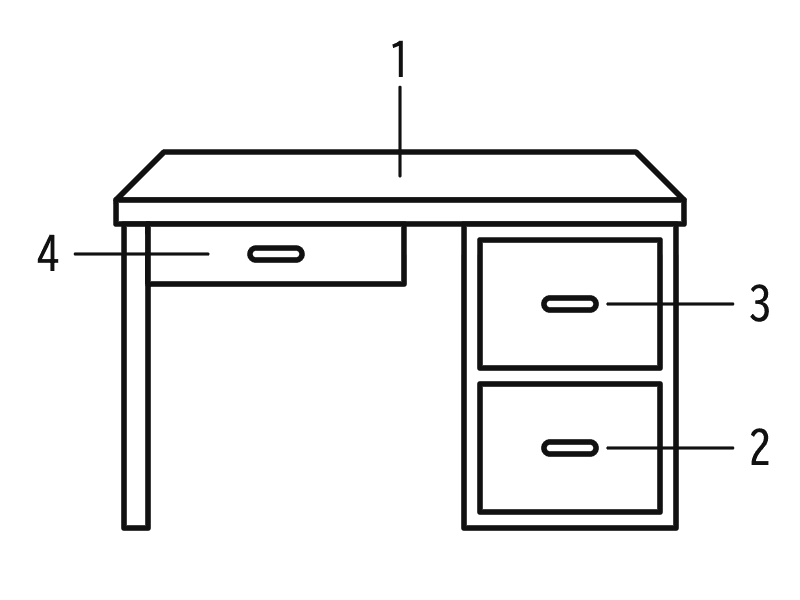
奥(おく)さんは、どこから封筒(ふうとう)を取(と)りますか。

One writing desk seen straight from the front, as if standing in front of it, black line art, no words. A flat desktop with nothing on it. Under the desktop: on the LEFT, one wide shallow drawer just under the top; in the middle, open space for the legs; on the RIGHT, a block of exactly two drawers stacked one above the other (an upper drawer and a lower drawer), each with a small handle. The numbers 1-4 sit outside the desk, each joined to its spot by a thin leader line: 1 points to the middle of the empty desktop; 2 points to the LOWER right-hand drawer; 3 points to the UPPER right-hand drawer; 4 points to the wide drawer on the left. Marks: 1 the top of the desk; 2 the lower right-hand drawer; 3 the upper right-hand drawer; 4 the drawer on the left.
  1. 1. 机(つくえ)の上(うえ)

    He thought it was on the desk, but then remembers he put it in a drawer.

  2. 2. 右(みぎ)の下(した)の引(ひ)き出(だ)しCorrect answer

    He corrects himself twice: not the desktop but a drawer, and not the upper right-hand drawer (only notebooks there) but the lower one.

  3. 3. 右(みぎ)の上(うえ)の引(ひ)き出(だ)し

    He says the upper one only has notebooks, so it is the lower one.

  4. 4. 左(ひだり)の引(ひ)き出(だ)し

    He talks only about the right-hand drawers.

Script

Narrator

男(おとこ)の人(ひと)が、奥(おく)さんの電話(でんわ)にメッセージを入(い)れました。

A man has left a message on his wife's phone.

Narrator

奥(おく)さんは、どこから封筒(ふうとう)を取(と)りますか。

Where will his wife take the envelope from?

Man

もしもし、ぼくだけど。今日(きょう)の会議(かいぎ)で使(つか)う青(あお)い封筒(ふうとう)を、家(いえ)に忘(わす)れてきちゃったんだ。

Hi, it's me. I left the blue envelope I need for today's meeting at home.

Man

部屋(へや)の机(つくえ)の上(うえ)に置(お)いたと思(おも)ってたんだけど、ちがう、机(つくえ)の引(ひ)き出(だ)しに入(い)れたんだった。

I thought I'd put it on top of the desk in my room, but no, I put it in a desk drawer.

Man

右(みぎ)の引(ひ)き出(だ)しの、上(うえ)のほうだったかな。あ、いや、上(うえ)はノートだけだから、下(した)のほうだ。

Was it the upper right-hand drawer? Oh, no, there are only notebooks in the upper one, so it's the lower one.

Man

悪(わる)いけど、お昼(ひる)までに会社(かいしゃ)に持(も)ってきてくれる?じゃ、よろしく。

Sorry, but could you bring it to my office by noon? Thanks.

Narrator

奥(おく)さんは、どこから封筒(ふうとう)を取(と)りますか。

Where will his wife take the envelope from?

8ばんQuestion 8

Replay in the video

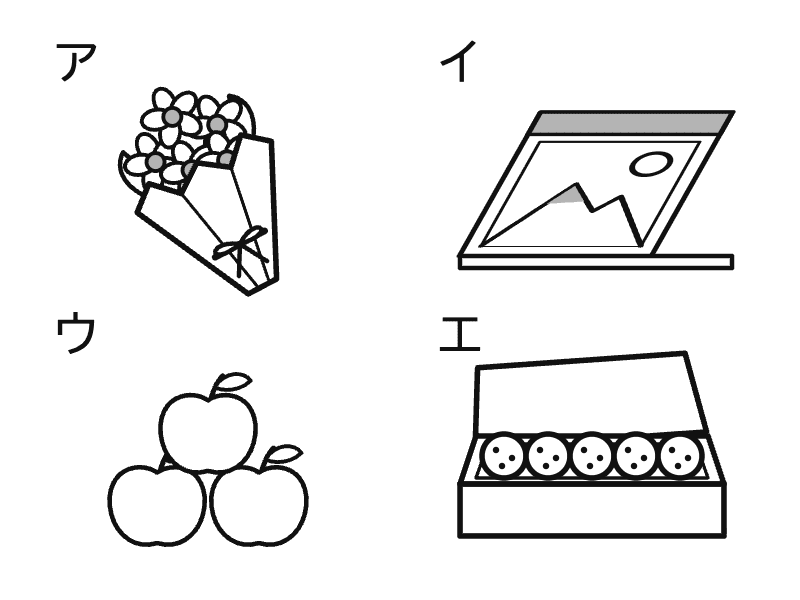
二人(ふたり)は、お見舞(みま)いに何(なに)を持(も)っていきますか。

One drawing of four separate things arranged two above two, black line art, no words anywhere (the magazine cover has only a simple drawing, no title). Top left, labelled ア: a bouquet of flowers wrapped in paper. Top right, labelled イ: a magazine lying flat, its cover showing a simple picture. Bottom left, labelled ウ: three apples. Bottom right, labelled エ: an open box of cookies. Each katakana letter is printed just above its item, top-left of it. Items: ア Flowers; イ A magazine; ウ Apples; エ Sweets.
  1. 1. アイ(花(はな)と雑誌(ざっし))

    Flowers aren't allowed at the hospital, and they also take apples.

  2. 2. アウ(花(はな)とりんご)

    Flowers aren't allowed at the hospital.

  3. 3. イウ(雑誌(ざっし)とりんご)Correct answer

    Flowers aren't allowed at the hospital, and the man says apples are enough food, so no sweets. They take apples and, because being in hospital is boring, a magazine.

  4. 4. ウエ(りんごとお菓子(かし))

    The man says apples are enough, so no sweets.

Script

Narrator

男(おとこ)の人(ひと)と女(おんな)の人(ひと)が話(はな)しています。

A man and a woman are talking.

Narrator

二人(ふたり)は、お見舞(みま)いに何(なに)を持(も)っていきますか。

What will the two of them take when they visit their friend in hospital?

Man

田中(たなか)さん、足(あし)のけがで入院(にゅういん)してるんだって。明日(あした)、お見舞(みま)いに行(い)かない?

Tanaka hurt his leg and is in hospital. Shall we go and visit him tomorrow?

Woman

うん、行(い)こう。何(なに)か持(も)っていこうよ。花(はな)はどう?

Yes, let's. Let's take something. How about flowers?

Man

田中(たなか)さんの病院(びょういん)は、花(はな)はだめなんだって。

Apparently flowers aren't allowed at his hospital.

Woman

そうなんだ。じゃあ、果物(くだもの)は?

Oh, really. Then how about fruit?

Man

いいね。田中(たなか)さん、りんごが好(す)きだよ。

Good idea. Tanaka likes apples.

Woman

じゃあ、りんごね。あと、お菓子(かし)もどう?

Apples, then. And how about some sweets too?

Man

食(た)べ物(もの)は、りんごだけでいいよ。それより、入院(にゅういん)してると、ひまだから、雑誌(ざっし)がいいんじゃないかな。

Apples are enough for food. More than that, being in hospital is boring, so a magazine might be good.

Woman

そうだね。じゃあ、そうしよう。

True. Let's do that, then.

Narrator

二人(ふたり)は、お見舞(みま)いに何(なに)を持(も)っていきますか。

What will the two of them take when they visit their friend in hospital?

もんだい2Comprehension of key points

1ばんQuestion 1

Replay in the video

男(おとこ)の人(ひと)は、どうして昨日(きのう)のパーティーに行(い)きませんでしたか。

  1. 1. 仕事(しごと)が忙(いそが)しかったから

    He says work finished early.

  2. 2. お母(かあ)さんが病気(びょうき)になったから

    His mother is fine; she only phoned about the package.

  3. 3. 荷物(にもつ)が届(とど)くのを待(ま)っていたからCorrect answer

    His mother phoned to say she had sent vegetables, and he stayed home waiting for the package until it was too late. Work had actually finished early.

  4. 4. かぜをひいたから

    He never says he was sick.

Script

Narrator

女(おんな)の人(ひと)と男(おとこ)の人(ひと)が話(はな)しています。

A woman and a man are talking.

Narrator

男(おとこ)の人(ひと)は、どうして昨日(きのう)のパーティーに行(い)きませんでしたか。

Why didn't the man go to the party yesterday?

Woman

昨日(きのう)のパーティー、来(こ)なかったね。どうしたの?

You didn't come to the party yesterday. What happened?

Man

ごめん、行(い)こうと思(おも)ってたんだけど。

Sorry, I was going to go.

Woman

仕事(しごと)が忙(いそが)しかったの?

Were you busy with work?

Man

ううん、仕事(しごと)は早(はや)く終(お)わったんだ。でも、家(いえ)を出(で)る前(まえ)に、母(はは)から電話(でんわ)があって。

No, work finished early. But before I left the house, my mom called.

Woman

お母(かあ)さん、どうかしたの?

Is something wrong with your mom?

Man

いや、元気(げんき)なんだけど、田舎(いなか)から野菜(やさい)を送(おく)ったから、今日(きょう)の夜(よる)は家(いえ)にいてねって。それで、荷物(にもつ)が来(く)るのを待(ま)ってたら、もう9時(くじ)になっちゃって。

No, she's fine, but she said she'd sent vegetables from the countryside and I should be home that night. So I waited for the package to come, and by then it was already nine.

Woman

そっか。それじゃ、しかたないね。

I see. Well, that couldn't be helped.

Narrator

男(おとこ)の人(ひと)は、どうして昨日(きのう)のパーティーに行(い)きませんでしたか。

Why didn't the man go to the party yesterday?

2ばんQuestion 2

Replay in the video

カードを持(も)っていない人(ひと)は、いつからセールで買(か)い物(もの)ができますか。

  1. 1. 7月(しちがつ)24日(にじゅうよっか)

    The 24th is only for people who have the store card.

  2. 2. 7月(しちがつ)25日(にじゅうごにち)Correct answer

    This year the sale starts on July 25th. Only card holders can start a day early on the 24th, and the question asks about people without the card.

  3. 3. 8月(はちがつ)1日(ついたち)

    August 1st is when the sale usually starts, not this year.

  4. 4. 8月(はちがつ)3日(みっか)

    August 3rd is the last day of the sale.

Script

Narrator

デパートで、店(みせ)の人(ひと)が話(はな)しています。

At a department store, a staff member is making an announcement.

Narrator

カードを持(も)っていない人(ひと)は、いつからセールで買(か)い物(もの)ができますか。

From when can people without the store card shop in the sale?

Woman

いらっしゃいませ。さくらデパートから、夏(なつ)のセールのご案内(あんない)です。

Welcome. This is an announcement from Sakura Department Store about our summer sale.

Woman

毎年(まいとし)8月(はちがつ)1日(ついたち)から始(はじ)まる夏(なつ)のセールですが、今年(ことし)は少(すこ)し早(はや)く、7月(しちがつ)25日(にじゅうごにち)の土曜日(どようび)から始(はじ)まります。セールは8月(はちがつ)3日(みっか)までです。

Our summer sale, which starts on August 1st every year, will start a little earlier this year, on Saturday, July 25th. The sale runs until August 3rd.

Woman

また、さくらデパートのカードをお持(も)ちのお客様(きゃくさま)は、その前(まえ)の日(ひ)、24日(にじゅうよっか)の金曜日(きんようび)から、セールでお買(か)い物(もの)をしていただけます。

Also, customers who have a Sakura Department Store card can shop in the sale from the day before, Friday the 24th.

Woman

みなさま、どうぞお楽(たの)しみに。

We hope you are all looking forward to it.

Narrator

カードを持(も)っていない人(ひと)は、いつからセールで買(か)い物(もの)ができますか。

From when can people without the store card shop in the sale?

3ばんQuestion 3

Replay in the video

女(おんな)の人(ひと)の袋(ふくろ)には、何(なに)が入(はい)っていますか。

  1. 1. 本(ほん)

    She put the books in her handbag, not in the paper bag.

  2. 2. 財布(さいふ)

    She finds her wallet with her.

  3. 3. 本(ほん)と帽子(ぼうし)

    The books are not in the bag; only the hat is.

  4. 4. 帽子(ぼうし)Correct answer

    It is a bookstore bag, but she says only a hat is inside. The books went into her handbag, and the wallet turned out to be with her.

Script

Narrator

駅(えき)で、女(おんな)の人(ひと)と駅(えき)の人(ひと)が話(はな)しています。

At a station, a woman and a station staff member are talking.

Narrator

女(おんな)の人(ひと)の袋(ふくろ)には、何(なに)が入(はい)っていますか。

What is in the woman's bag?

Woman

すみません、さっきの電車(でんしゃ)に、袋(ふくろ)を忘(わす)れてしまったんですが。

Excuse me, I left a bag on the train just now.

Man

どんな袋(ふくろ)ですか。

What kind of bag?

Woman

白(しろ)い紙(かみ)の袋(ふくろ)です。本屋(ほんや)の名前(なまえ)が書(か)いてあります。

A white paper bag. It has a bookstore's name on it.

Man

中(なか)には何(なに)が入(はい)っていますか。

What's inside it?

Woman

本屋(ほんや)の袋(ふくろ)なんですが、本(ほん)じゃなくて、帽子(ぼうし)が入(はい)っています。本(ほん)は、買(か)ってすぐ、かばんに入(い)れたので。

It's a bookstore bag, but there's a hat in it, not books. I put the books in my handbag right after buying them.

Man

帽子(ぼうし)ですね。ほかには、何(なに)か。

A hat. Anything else?

Woman

あ、財布(さいふ)も…。あ、いえ、財布(さいふ)はここにありました。帽子(ぼうし)だけです。

Oh, my wallet too... Oh, no, my wallet's right here. Just the hat.

Man

わかりました。今(いま)、調(しら)べますので、少々(しょうしょう)お待(ま)ちください。

I see. I'll check now, so please wait a moment.

Narrator

女(おんな)の人(ひと)の袋(ふくろ)には、何(なに)が入(はい)っていますか。

What is in the woman's bag?

4ばんQuestion 4

Replay in the video

二人(ふたり)は、行(い)きと帰(かえ)りに、何(なに)に乗(の)りますか。

  1. 1. 行(い)きはバス、帰(かえ)りは新幹線(しんかんせん)Correct answer

    The woman suggests the bullet train there and the bus back, but the man wants to get home fast, so they switch it: bus there, bullet train back.

  2. 2. 行(い)きは新幹線(しんかんせん)、帰(かえ)りはバス

    This was her first idea, but they decide to do it the other way around.

  3. 3. 行(い)きも帰(かえ)りも新幹線(しんかんせん)

    The bullet train is expensive, so they take it only one way.

  4. 4. 行(い)きも帰(かえ)りも車(くるま)

    Driving is tiring, so they drop the car.

Script

Narrator

男(おとこ)の人(ひと)と女(おんな)の人(ひと)が、旅行(りょこう)について話(はな)しています。

A man and a woman are talking about a trip.

Narrator

二人(ふたり)は、行(い)きと帰(かえ)りに、何(なに)に乗(の)りますか。

What will the two of them take there and back?

Man

来月(らいげつ)の旅行(りょこう)、どうやって行(い)く?車(くるま)で行(い)こうか。

How should we go on next month's trip? Shall we drive?

Woman

車(くるま)もいいけど、運転(うんてん)、疲(つか)れるでしょう。新幹線(しんかんせん)は?

Driving's OK, but it's tiring, isn't it? What about the bullet train?

Man

新幹線(しんかんせん)は速(はや)いけど、高(たか)いんだよね。

The bullet train is fast, but it's expensive.

Woman

じゃあ、バスは?安(やす)いし、寝(ね)ていけるよ。

Then how about the bus? It's cheap, and we can sleep on the way.

Man

バスか。でも、6時間(ろくじかん)もかかるよ。

The bus, huh. But it takes six hours.

Woman

そっか。じゃあ、行(い)きは新幹線(しんかんせん)で、帰(かえ)りはゆっくりバスで帰(かえ)るのはどう?

True. Then how about the bullet train there and a relaxed bus ride back?

Man

うーん、帰(かえ)りは疲(つか)れてるから、早(はや)く帰(かえ)りたいな。

Hmm, we'll be tired on the way back, so I'd like to get home quickly.

Woman

じゃあ、反対(はんたい)にしよう。

Then let's do it the other way around.

Man

うん、それがいい。行(い)きなら、時間(じかん)がかかっても、寝(ね)ていけばいいしね。

Yeah, that's good. On the way there, even if it takes a while, we can just sleep.

Narrator

二人(ふたり)は、行(い)きと帰(かえ)りに、何(なに)に乗(の)りますか。

What will the two of them take there and back?

5ばんQuestion 5

Replay in the video

男(おとこ)の人(ひと)は、どうして引(ひ)っ越(こ)しますか。

  1. 1. 部屋代(へやだい)が高(たか)くなったから

    He says the rent hasn't changed.

  2. 2. 犬(いぬ)を飼(か)うことにしたからCorrect answer

    He is moving because he decided to get a dog and his apartment does not allow pets. The neighbor is a little noisy, but he says it doesn't bother him.

  3. 3. 隣(となり)の人(ひと)がうるさいから

    He says the noise doesn't really bother him.

  4. 4. 駅(えき)から遠(とお)いから

    His place is close to the station.

Script

Narrator

女(おんな)の人(ひと)と男(おとこ)の人(ひと)が話(はな)しています。

A woman and a man are talking.

Narrator

男(おとこ)の人(ひと)は、どうして引(ひ)っ越(こ)しますか。

Why is the man moving?

Woman

引(ひ)っ越(こ)すんだって?今(いま)の部屋(へや)、駅(えき)から近(ちか)くて便利(べんり)だって言(い)ってたのに。

I heard you're moving? You said your place now is handy because it's close to the station.

Man

うん、便利(べんり)なんだけどね。

Yeah, it is handy.

Woman

部屋代(へやだい)が高(たか)くなったの?

Did your rent go up?

Man

ううん、それは変(か)わらないよ。

No, that hasn't changed.

Woman

じゃあ、うるさいとか?

Then is it noisy or something?

Man

隣(となり)の人(ひと)が夜(よる)遅(おそ)くまでテレビを見(み)てて、ちょっとうるさいけど、それはあまり気(き)にならないんだ。実(じつ)は、犬(いぬ)を飼(か)うことにしたんだよ。今(いま)のアパートは、動物(どうぶつ)はだめだから。

The guy next door watches TV until late at night, so it's a bit noisy, but that doesn't really bother me. Actually, I've decided to get a dog. Pets aren't allowed in my apartment now.

Woman

へえ、いいなあ。

Oh, how nice.

Narrator

男(おとこ)の人(ひと)は、どうして引(ひ)っ越(こ)しますか。

Why is the man moving?

6ばんQuestion 6

Replay in the video

留学生(りゅうがくせい)は、日本(にほん)の生活(せいかつ)で何(なに)がいちばん大変(たいへん)だと言(い)っていますか。

  1. 1. 日本語(にほんご)

    Japanese was his biggest worry before he came, but it caused little trouble.

  2. 2. 食(た)べ物(もの)

    He says he soon came to like the food.

  3. 3. ごみの出(だ)し方(かた)Correct answer

    He was most worried about Japanese before coming, but it turned out fine. What is still hardest is putting out the rubbish, because the kind changes by day of the week.

  4. 4. 電車(でんしゃ)の乗(の)り方(かた)

    He says he quickly learned how to use the trains.

Script

Narrator

日本語(にほんご)学校(がっこう)で、留学生(りゅうがくせい)が話(はな)しています。

At a Japanese language school, an international student is talking.

Narrator

留学生(りゅうがくせい)は、日本(にほん)の生活(せいかつ)で何(なに)がいちばん大変(たいへん)だと言(い)っていますか。

What does the student say is the hardest thing about life in Japan?

Man

日本(にほん)に来(き)て、もうすぐ1年(いちねん)になります。

It's almost a year since I came to Japan.

Man

来(く)る前(まえ)は、日本語(にほんご)がいちばん心配(しんぱい)でしたが、先生(せんせい)や友(とも)だちがゆっくり話(はな)してくれるので、あまり困(こま)りませんでした。食(た)べ物(もの)も、すぐ好(す)きになりましたし、電車(でんしゃ)の乗(の)り方(かた)も、すぐ覚(おぼ)えました。

Before I came, I was most worried about Japanese, but my teachers and friends speak slowly for me, so I didn't have much trouble. I soon came to like the food, and I quickly learned how to use the trains.

Man

でも、いちばん大変(たいへん)なのは、ごみの出(だ)し方(かた)です。何曜日(なんようび)に何(なん)のごみを出(だ)すか決(き)まっているので、今(いま)でもよく間違(まちが)えてしまいます。

But the hardest thing is putting out the rubbish. Which rubbish goes out on which day of the week is fixed, so I still often get it wrong.

Narrator

留学生(りゅうがくせい)は、日本(にほん)の生活(せいかつ)で何(なに)がいちばん大変(たいへん)だと言(い)っていますか。

What does the student say is the hardest thing about life in Japan?

7ばんQuestion 7

Replay in the video

女(おんな)の人(ひと)は、いつ美容院(びよういん)に行(い)きますか。

  1. 1. 来週(らいしゅう)の土曜日(どようび)の午前(ごぜん)Correct answer

    The salon is closed this Saturday, and she has plans on Sunday afternoon, so she books next Saturday at 10 a.m.

  2. 2. 今週(こんしゅう)の土曜日(どようび)の午前(ごぜん)

    The salon is closed this Saturday, so the booking must change.

  3. 3. 日曜日(にちようび)の午後(ごご)

    She has something on Sunday afternoon.

  4. 4. 来週(らいしゅう)の日曜日(にちようび)の午前(ごぜん)

    Nobody mentions next Sunday.

Script

Narrator

美容院(びよういん)の人(ひと)と女(おんな)の人(ひと)が電話(でんわ)で話(はな)しています。

A hair salon staff member and a woman are talking on the phone.

Narrator

女(おんな)の人(ひと)は、いつ美容院(びよういん)に行(い)きますか。

When will the woman go to the hair salon?

Man

もしもし、さくら美容院(びよういん)です。あさっての土曜日(どようび)、10時(じゅうじ)からご予約(よやく)いただいていますよね。

Hello, this is Sakura Hair Salon. You have a booking with us for 10 o'clock the day after tomorrow, Saturday, don't you?

Woman

はい。

Yes.

Man

申(もう)し訳(わけ)ありません。その日(ひ)は、急(きゅう)に店(みせ)を休(やす)むことになってしまいまして。別(べつ)の日(ひ)に変(か)えていただけないでしょうか。

We're very sorry. We suddenly have to close the salon that day. Could you change to another day?

Woman

そうですか。じゃあ、日曜日(にちようび)は空(あ)いていますか。

I see. Then are you free on Sunday?

Man

日曜日(にちようび)は、午後(ごご)なら空(あ)いております。

On Sunday, we have openings in the afternoon.

Woman

午後(ごご)はちょっと用事(ようじ)があるんです。来週(らいしゅう)の土曜日(どようび)はどうですか。

I have something on in the afternoon. How about Saturday next week?

Man

来週(らいしゅう)の土曜日(どようび)でしたら、朝(あさ)10時(じゅうじ)から大丈夫(だいじょうぶ)です。

Saturday next week is fine, from 10 in the morning.

Woman

じゃあ、それでお願(ねが)いします。

Then please book me for that.

Narrator

女(おんな)の人(ひと)は、いつ美容院(びよういん)に行(い)きますか。

When will the woman go to the hair salon?

もんだい3Verbal expressions

1ばんQuestion 1

Replay in the video

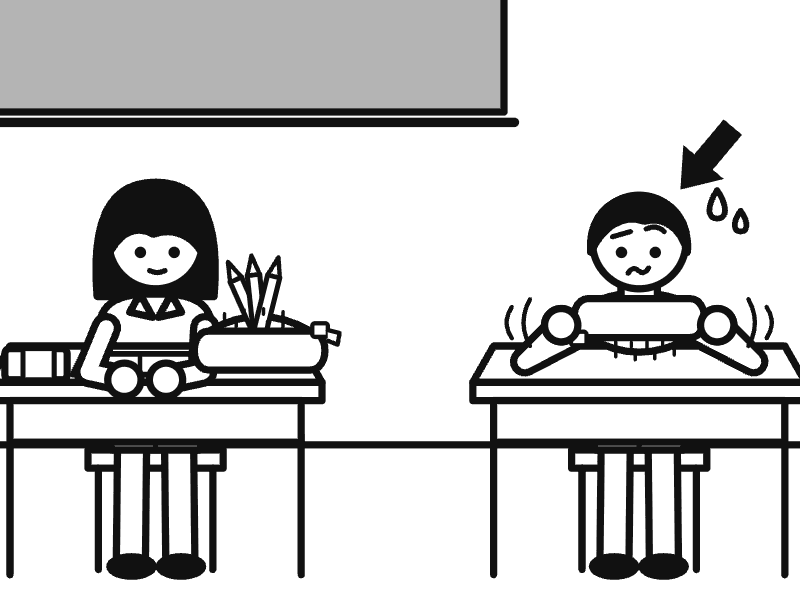
消(け)しゴムを忘(わす)れました。隣(となり)の友(とも)だちに借(か)りたいです。何(なん)と言(い)いますか。

A classroom. Two students sit side by side at their desks. The student on the right looks into an empty pencil case with a troubled face; the student on the left has an eraser on the desk.
  1. 1. 消(け)しゴム、貸(か)してあげようか。

    This offers to lend, but you are the one who needs an eraser.

  2. 2. 消(け)しゴム、借(か)りてもいい?Correct answer

    借りてもいい? asks permission to borrow, which is what you want. Choice 1 offers to lend instead, and choice 3 asks the friend to do the borrowing.

  3. 3. 消(け)しゴム、借(か)りてくれる?

    This asks the friend to borrow something, not to lend it to you.

Script

Narrator

消(け)しゴムを忘(わす)れました。隣(となり)の友(とも)だちに借(か)りたいです。何(なん)と言(い)いますか。

You forgot your eraser. You want to borrow one from the friend next to you. What do you say?

Narrator

1. 消(け)しゴム、貸(か)してあげようか。

Shall I lend you my eraser?

Narrator

2. 消(け)しゴム、借(か)りてもいい?

Can I borrow your eraser?

Narrator

3. 消(け)しゴム、借(か)りてくれる?

Will you borrow an eraser for me?

2ばんQuestion 2

Replay in the video

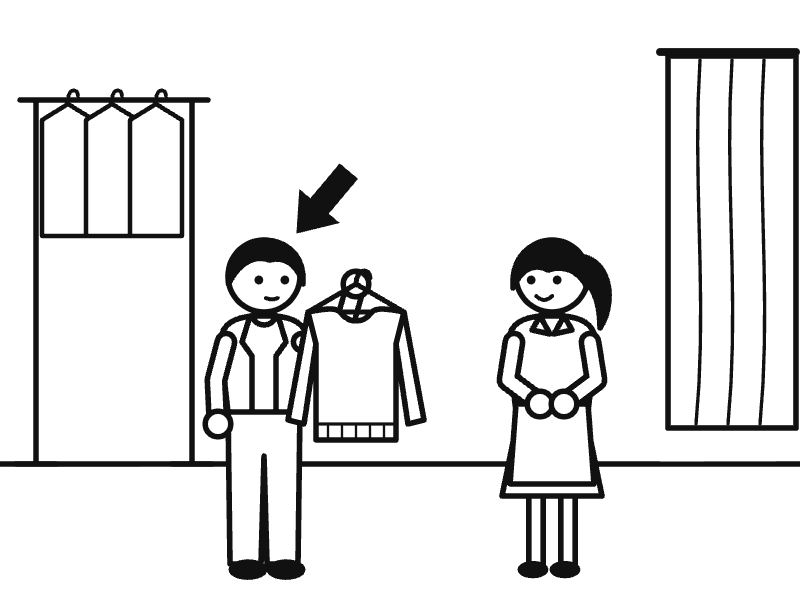
店(みせ)でセーターを着(き)てみたいです。店(みせ)の人(ひと)に何(なん)と言(い)いますか。

A clothing shop. A customer holds up a sweater on a hanger and turns toward a shop clerk standing nearby.
  1. 1. これ、着(き)てみてください。

    This tells the clerk to try it on, which is backwards.

  2. 2. これ、着(き)たことがありますか。

    This asks about the clerk's experience, not for permission.

  3. 3. これ、着(き)てみてもいいですか。Correct answer

    着てみてもいいですか asks permission to try it on. Choice 1 tells the clerk to try it on, which is backwards.

Script

Narrator

店(みせ)でセーターを着(き)てみたいです。店(みせ)の人(ひと)に何(なん)と言(い)いますか。

In a shop, you want to try on a sweater. What do you say to the shop clerk?

Narrator

1. これ、着(き)てみてください。

Please try this on.

Narrator

2. これ、着(き)たことがありますか。

Have you ever worn this?

Narrator

3. これ、着(き)てみてもいいですか。

May I try this on?

3ばんQuestion 3

Replay in the video

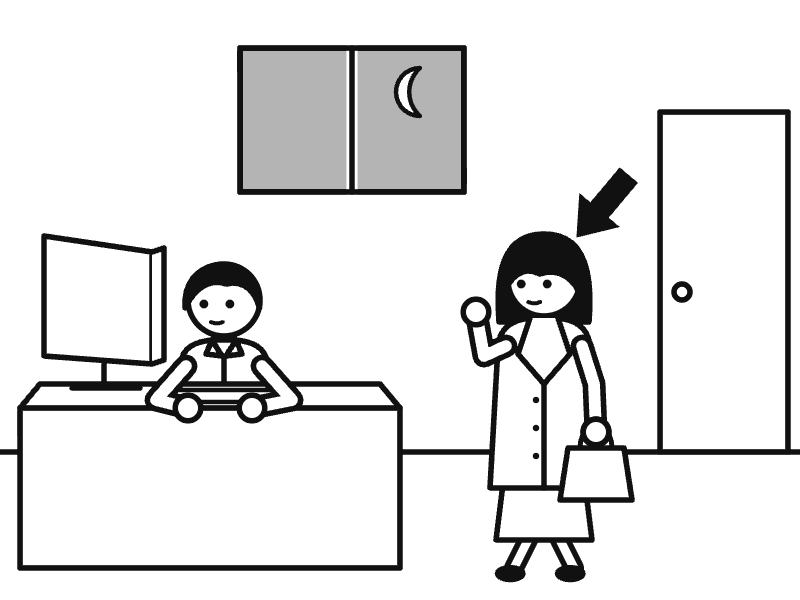
仕事(しごと)が終(お)わったので、先(さき)に帰(かえ)ります。まだ仕事(しごと)をしている人(ひと)に何(なん)と言(い)いますか。

An office in the evening. A woman with her coat on and bag in hand is about to leave; a male coworker is still working at his computer.
  1. 1. お先(さき)に失礼(しつれい)します。Correct answer

    お先に失礼します is the set phrase for leaving work before others. お先にどうぞ sounds similar but means you let someone else go first.

  2. 2. お先(さき)にどうぞ。

    This means after you, letting the other person go first.

  3. 3. ただいま。

    This is said when you get home, not when you leave work.

Script

Narrator

仕事(しごと)が終(お)わったので、先(さき)に帰(かえ)ります。まだ仕事(しごと)をしている人(ひと)に何(なん)と言(い)いますか。

Your work is done, so you are going home first. What do you say to the person who is still working?

Woman

1. お先(さき)に失礼(しつれい)します。

Excuse me for leaving before you.

Woman

2. お先(さき)にどうぞ。

After you.

Woman

3. ただいま。

I'm home.

4ばんQuestion 4

Replay in the video

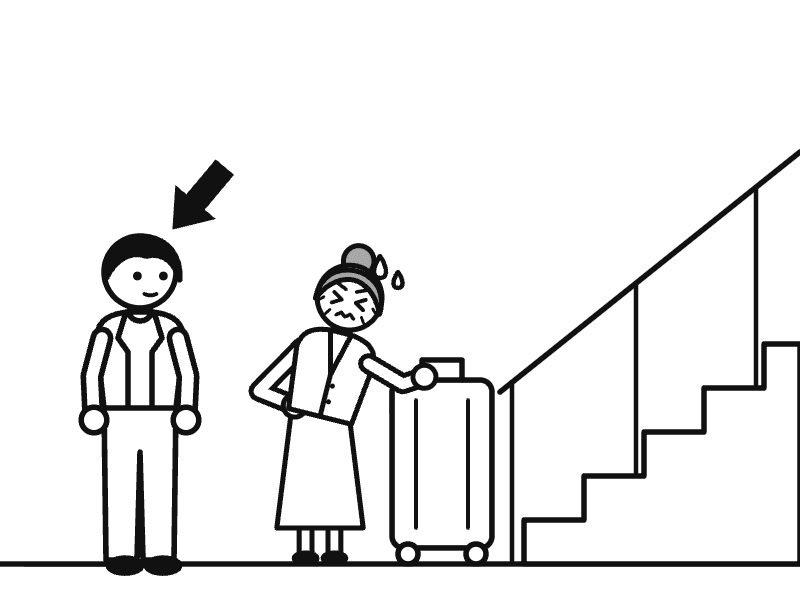
おばあさんが重(おも)い荷物(にもつ)を持(も)っています。何(なん)と言(い)いますか。

At the bottom of station stairs. An elderly woman struggles with a heavy suitcase; a young man stands next to her.
  1. 1. 荷物(にもつ)、持(も)ってくれませんか。

    This asks her to carry something for you, the wrong direction.

  2. 2. 荷物(にもつ)、持(も)ちましょうか。Correct answer

    持ちましょうか offers to carry it for her. Choice 1 asks her to carry something for you, which is the wrong direction.

  3. 3. 荷物(にもつ)、持(も)ってきましたか。

    This only asks if she brought luggage; it does not offer help.

Script

Narrator

おばあさんが重(おも)い荷物(にもつ)を持(も)っています。何(なん)と言(い)いますか。

An elderly woman is carrying heavy luggage. What do you say?

Man

1. 荷物(にもつ)、持(も)ってくれませんか。

Won't you carry my luggage?

Man

2. 荷物(にもつ)、持(も)ちましょうか。

Shall I carry your luggage?

Man

3. 荷物(にもつ)、持(も)ってきましたか。

Did you bring your luggage?

5ばんQuestion 5

Replay in the video

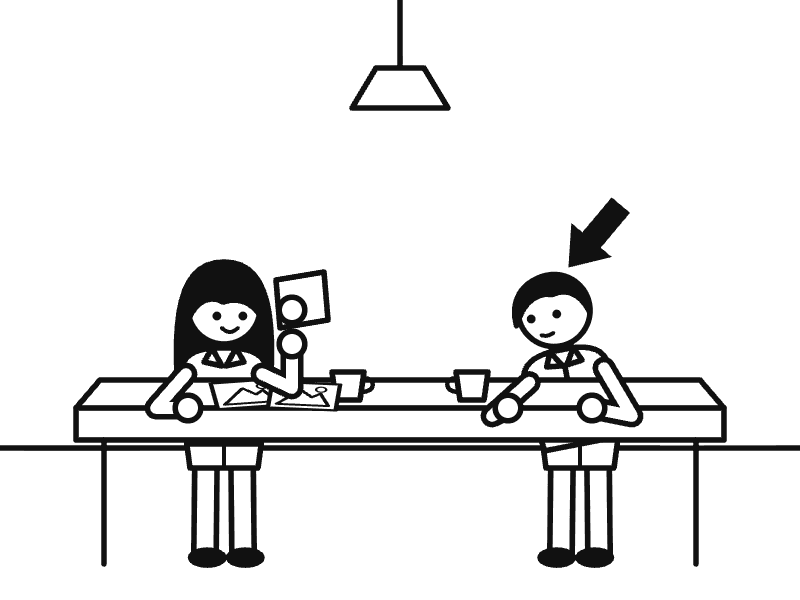
友(とも)だちが旅行(りょこう)の写真(しゃしん)を持(も)っています。見(み)たいです。何(なん)と言(い)いますか。

A café table. A woman holds a photo from her trip; the man sitting across from her leans forward, wanting to see it.
  1. 1. 写真(しゃしん)、見(み)せてくれない?Correct answer

    見せてくれない? asks the friend to show you the photo. Choice 2 offers to show it to the friend, and choice 3 asks the friend to look at it.

  2. 2. 写真(しゃしん)、見(み)せてあげようか。

    This offers to show the friend, but the friend has the photo.

  3. 3. 写真(しゃしん)、見(み)てもらえる?

    This asks the friend to look at it, not to show it to you.

Script

Narrator

友(とも)だちが旅行(りょこう)の写真(しゃしん)を持(も)っています。見(み)たいです。何(なん)と言(い)いますか。

Your friend has photos from a trip. You want to see them. What do you say?

Man

1. 写真(しゃしん)、見(み)せてくれない?

Won't you show me the photo?

Man

2. 写真(しゃしん)、見(み)せてあげようか。

Shall I show you the photo?

Man

3. 写真(しゃしん)、見(み)てもらえる?

Could you look at the photo for me?

もんだい4Quick response

1ばんQuestion 1

Replay in the video
  1. 1. 図書館(としょかん)の前(まえ)にありますよ。

    This says where something is, not how long it takes.

  2. 2. バスで行(い)きます。

    This says how the speaker will go, not how long it takes.

  3. 3. 歩(ある)いて10分(じゅっぷん)ぐらいですよ。Correct answer

    どのくらいかかりますか asks how long it takes, and only choice 3 gives a time. The others answer where and how.

Script

Man

ここから図書館(としょかん)まで、どのくらいかかりますか。

How long does it take from here to the library?

Woman

1. 図書館(としょかん)の前(まえ)にありますよ。

It's in front of the library.

Woman

2. バスで行(い)きます。

I'll go by bus.

Woman

3. 歩(ある)いて10分(じゅっぷん)ぐらいですよ。

About ten minutes on foot.

2ばんQuestion 2

Replay in the video
  1. 1. うん、読(よ)んでみるね。

    Saying yes and then I'll try reading it does not fit a question about the past.

  2. 2. うん、読(よ)んでもいいよ。

    This gives permission to read; it does not answer whether you read it.

  3. 3. ううん、まだ読(よ)んでない。Correct answer

    もう読んだ? asks whether you have read it, and まだ読んでない is the natural no. Choice 1 talks about the future, and choice 2 gives permission.

Script

Woman

この本(ほん)、もう読(よ)んだ?

Have you read this book yet?

Man

1. うん、読(よ)んでみるね。

Yeah, I'll give it a try.

Man

2. うん、読(よ)んでもいいよ。

Yeah, you can read it.

Man

3. ううん、まだ読(よ)んでない。

No, I haven't read it yet.

3ばんQuestion 3

Replay in the video
  1. 1. ありがとうございます。姉(あね)にあげたんです。

    If she gave the bag to her sister, she would not have it now.

  2. 2. ありがとうございます。姉(あね)にもらったんです。Correct answer

    She thanks him and says her sister gave her the bag (姉にもらった). Choice 1 says she gave it away, which makes no sense for a bag she is carrying.

  3. 3. いいえ、どういたしまして。

    You're welcome answers thanks, not a compliment.

Script

Man

そのかばん、すてきですね。

That bag is lovely.

Woman

1. ありがとうございます。姉(あね)にあげたんです。

Thank you. I gave it to my sister.

Woman

2. ありがとうございます。姉(あね)にもらったんです。

Thank you. My sister gave it to me.

Woman

3. いいえ、どういたしまして。

No, you're welcome.

4ばんQuestion 4

Replay in the video
  1. 1. あ、すみません。じゃあ、もう一度(いちど)ゆっくり言(い)いますね。Correct answer

    The speaker is asked to slow down, so apologizing and saying it again is natural. Choices 2 and 3 mix up who does the speaking.

  2. 2. はい、ゆっくり話(はな)していただきます。

    This means having the other person speak slowly, the wrong direction.

  3. 3. はい、ゆっくり話(はな)してあげてください。

    This tells the asker to speak slowly to someone else.

Script

Woman

すみません、もう少(すこ)しゆっくり話(はな)していただけませんか。

Excuse me, could you speak a little more slowly?

Man

1. あ、すみません。じゃあ、もう一度(いちど)ゆっくり言(い)いますね。

Oh, sorry. I'll say it again more slowly, then.

Man

2. はい、ゆっくり話(はな)していただきます。

Yes, I will have you speak slowly.

Man

3. はい、ゆっくり話(はな)してあげてください。

Yes, please speak slowly for them.

5ばんQuestion 5

Replay in the video
  1. 1. はい、いらっしゃいませ。

    This is a shop greeting that only sounds similar.

  2. 2. すみません、今(いま)、会議(かいぎ)に出(で)ているんですが。Correct answer

    いらっしゃいますか here means is he here, so saying he is in a meeting answers it. Choice 3 takes いらっしゃる as come, and choice 1 is a shop greeting.

  3. 3. はい、いつでも来(き)てください。

    This treats the question as an offer to visit, but it asks whether the manager is there.

Script

Man

部長(ぶちょう)、いらっしゃいますか。

Is the department manager in?

Woman

1. はい、いらっしゃいませ。

Yes, welcome.

Woman

2. すみません、今(いま)、会議(かいぎ)に出(で)ているんですが。

Sorry, he's in a meeting right now.

Woman

3. はい、いつでも来(き)てください。

Yes, please come any time.

6ばんQuestion 6

Replay in the video
  1. 1. はい、開(あ)けておきました。

    She is offering to open it; he did not open it.

  2. 2. ええ、開(あ)けてあげます。

    This offers to open it for her, but she is the one offering.

  3. 3. あ、すみません。お願(ねが)いします。Correct answer

    She offers to open the window, and お願いします accepts the offer. Choice 1 says he already did it, and choice 2 offers to do it for her, the wrong way round.

Script

Woman

窓(まど)、開(あ)けておきましょうか。

Shall I open the window?

Man

1. はい、開(あ)けておきました。

Yes, I opened it.

Man

2. ええ、開(あ)けてあげます。

Yes, I'll open it for you.

Man

3. あ、すみません。お願(ねが)いします。

Oh, thanks. Please do.

7ばんQuestion 7

Replay in the video
  1. 1. 雨(あめ)が降(ふ)ってよかったね。

    This talks about rain that already fell, but the question is about tomorrow.

  2. 2. うちで映画(えいが)でも見(み)ようか。Correct answer

    He asks for a plan in case of rain tomorrow, and choice 2 suggests one. Choice 1 talks as if it already rained.

  3. 3. 傘(かさ)、持(も)ってきてくれてありがとう。

    This thanks him for something he did not do.

Script

Man

明日(あした)、雨(あめ)だったらどうする?

What should we do if it rains tomorrow?

Woman

1. 雨(あめ)が降(ふ)ってよかったね。

Good thing it rained.

Woman

2. うちで映画(えいが)でも見(み)ようか。

Shall we watch a movie or something at home?

Woman

3. 傘(かさ)、持(も)ってきてくれてありがとう。

Thanks for bringing an umbrella.

8ばんQuestion 8

Replay in the video
  1. 1. うん、先生(せんせい)にしかられちゃって。Correct answer

    Being scolded by the teacher explains why he is down. Being praised would not make him look down.

  2. 2. うん、先生(せんせい)にほめられたんだ。

    Being praised is good news, so it does not explain feeling down.

  3. 3. うん、元気(げんき)そうでよかった。

    This comments on the other person's health instead of answering.

Script

Woman

どうしたの?元気(げんき)ないね。

What's wrong? You seem down.

Man

1. うん、先生(せんせい)にしかられちゃって。

Yeah, I got scolded by my teacher.

Man

2. うん、先生(せんせい)にほめられたんだ。

Yeah, my teacher praised me.

Man

3. うん、元気(げんき)そうでよかった。

Yeah, glad you look well.

Get ready for the N4

Learn the words, grammar and kanji the N4 tests, with daily reviews that bring back what you're about to forget.

About the app