あTokiwa Labo Japanese

JLPT N5 Listening Practice Test 1

Answers and script for all 24 questions.

Answer key

もんだい1Task-based comprehension

  1. 13
  2. 21
  3. 34
  4. 42
  5. 52
  6. 64
  7. 73

もんだい2Comprehension of key points

  1. 14
  2. 22
  3. 33
  4. 41
  5. 52
  6. 61

もんだい3Verbal expressions

  1. 12
  2. 23
  3. 31
  4. 41
  5. 53

もんだい4Quick response

  1. 13
  2. 21
  3. 32
  4. 42
  5. 53
  6. 61

Practice for the JLPT every day

Tokiwa Labo Japanese has vocab reviews, grammar drills and JLPT-style practice questions for N5 through N3. Early access opens in January 2027, and waitlist members get 30% off their first year.

or use your email

We'll email you when your invite is ready. No spam, unsubscribe anytime.

This site is protected by reCAPTCHA and the Google Privacy Policy and Terms of Service apply.

もんだい1Task-based comprehension

1ばんQuestion 1

Replay in the video

男(おとこ)の人(ひと)は何(なに)を買(か)いますか。

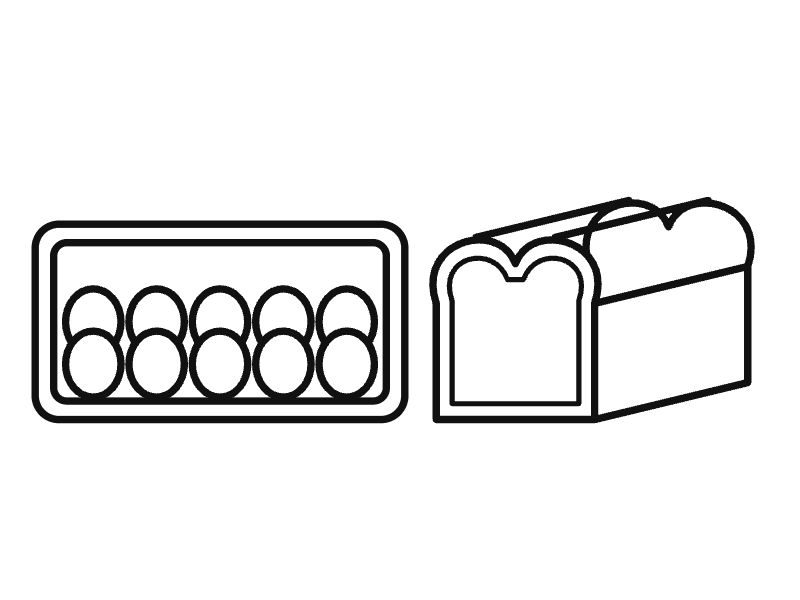
  1. 1. たまごとパン

    She starts to ask for bread but then says they still have some.

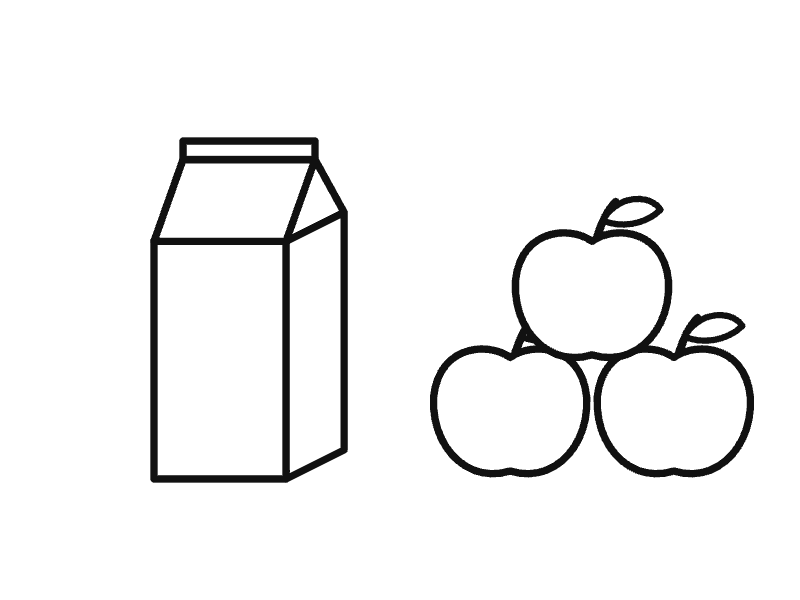
  2. 2. ぎゅうにゅうとりんご

    Apples aren't needed because she bought them yesterday.

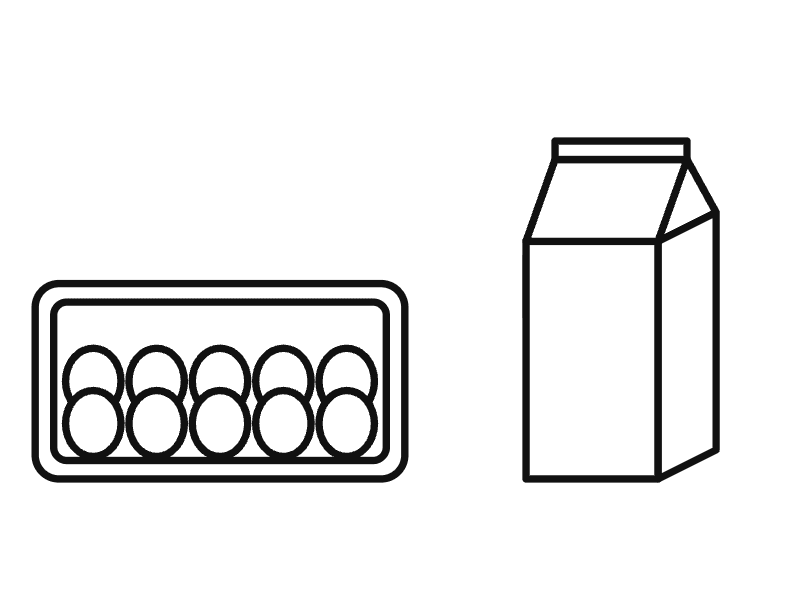
  3. 3. たまごとぎゅうにゅうCorrect answer

    The woman asks for eggs, then milk, and the man repeats "eggs and milk" to check. Bread is mentioned but she says they still have some.

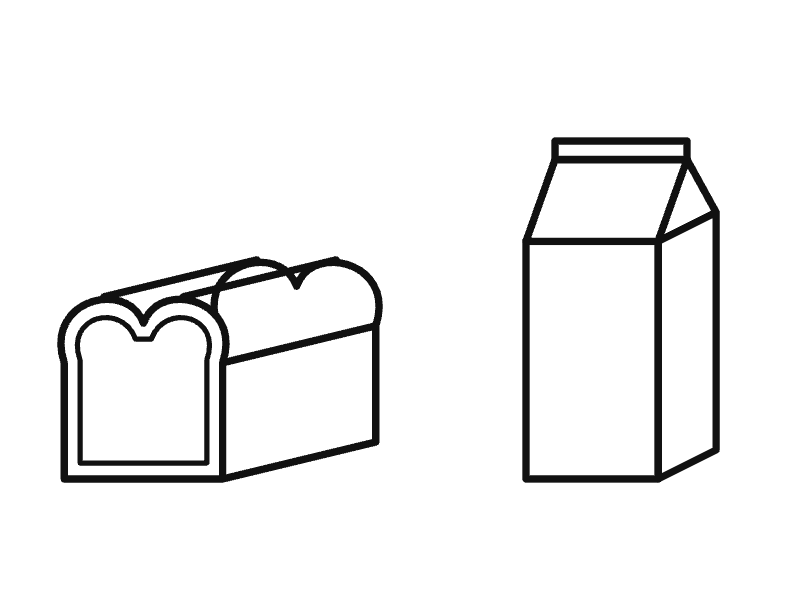
  4. 4. パンとぎゅうにゅう

    Bread isn't needed, and this choice leaves out the eggs.

Script

Narrator

女(おんな)の人(ひと)と男(おとこ)の人(ひと)が電話(でんわ)で話(はな)しています。

A woman and a man are talking on the phone.

Narrator

男(おとこ)の人(ひと)は何(なに)を買(か)いますか。

What will the man buy?
Man

もしもし、今(いま)スーパーにいます。何(なに)か買(か)いますか。

Hello, I'm at the supermarket now. Do we need to buy anything?

Woman

じゃ、卵(たまご)を買(か)ってきてください。

Then please buy some eggs.

Man

卵(たまご)ですね。ほかには?

Eggs, OK. Anything else?

Woman

パンも…あ、パンはまだありますね。牛乳(ぎゅうにゅう)をお願(ねが)いします。

Bread too... oh, we still have bread. Milk, please.

Man

卵(たまご)と牛乳(ぎゅうにゅう)ですね。りんごは?

Eggs and milk. What about apples?

Woman

りんごはきのう買(か)いましたから、いりません。

I bought apples yesterday, so we don't need any.

Narrator

男(おとこ)の人(ひと)は何(なに)を買(か)いますか。

What will the man buy?
2ばんQuestion 2

Replay in the video

学生(がくせい)は12時(じゅうにじ)にどこへ行(い)きますか。

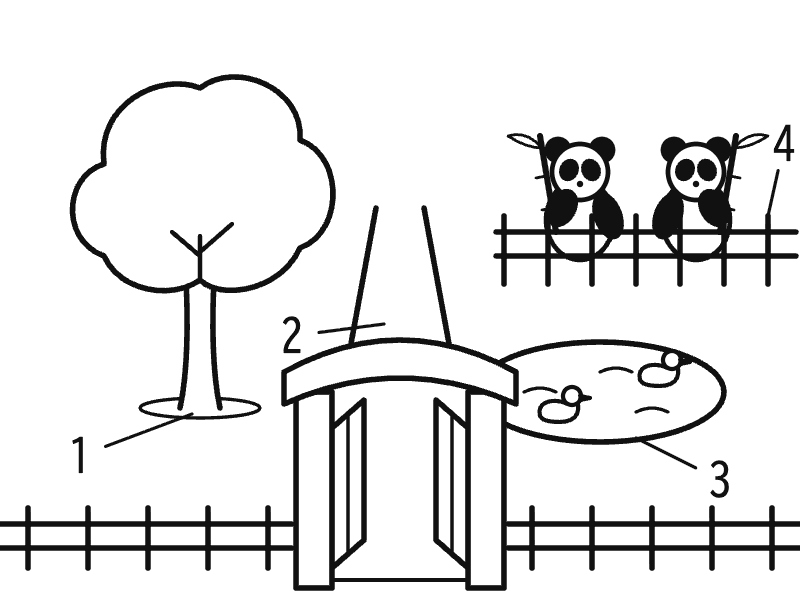
A small zoo seen from slightly above, simple black line art, no words or signs anywhere. Bottom centre: the zoo's entrance gate (two thick posts joined by a beam across the top), seen from inside the zoo. A wide path runs from the gate up the middle of the picture. Left of the path, halfway up: ONE big tree with a thick trunk and a wide round crown; it must be clearly the biggest thing in the picture and the only big tree (any other plants are low bushes). Right of the path, halfway up: a pond (an oval of water with a few ripple lines and one or two ducks). Top right, just behind the pond: a panda enclosure, a low fence with two pandas sitting and eating bamboo. No people. Four marks, each a plain number with a short leader line to its spot (numbers outside the objects, lines not crossing): 1 = the ground under the big tree, at its trunk; 2 = the ground just in front of the gate, on the zoo side; 3 = the near edge of the pond; 4 = the panda fence. Marks: 1 under the big tree; 2 in front of the gate; 3 at the pond; 4 at the panda enclosure.
  1. 1. 大(おお)きい木(き)の下(した)Correct answer

    The teacher first says to meet in front of the gate at 12, then changes it because many people are there: they meet under the big tree and eat lunch there.

  2. 2. 門(もん)の前(まえ)

    The teacher first says the gate, but changes it because it's crowded.

  3. 3. 池(いけ)の前(まえ)

    The pond is only mentioned to say where the pandas are.

  4. 4. パンダのところ

    The pandas are something to see before 12, not the meeting place.

Script

Narrator

動物園(どうぶつえん)で先生(せんせい)が学生(がくせい)に話(はな)しています。

A teacher is talking to the students at a zoo.

Narrator

学生(がくせい)は12時(じゅうにじ)にどこへ行(い)きますか。

Where will the students go at 12 o'clock?

Man

みなさん、これから12時(じゅうにじ)まで、いろいろな動物(どうぶつ)を見(み)てください。

Everyone, from now until 12 o'clock, please look at all kinds of animals.

Man

パンダはあの池(いけ)の近(ちか)くにいますよ。

The pandas are near that pond.

Man

12時(じゅうにじ)にこの門(もん)の前(まえ)に来(き)てください。

At 12, please come to the front of this gate.

Man

あ、でも、門(もん)の前(まえ)は人(ひと)がたくさんいますね。

Oh, but there are lots of people in front of the gate.

Man

じゃ、あの大(おお)きい木(き)の下(した)に来(き)てください。そこでみんなで昼(ひる)ご飯(はん)を食(た)べます。

Then please come under that big tree. We'll all eat lunch there.

Narrator

学生(がくせい)は12時(じゅうにじ)にどこへ行(い)きますか。

Where will the students go at 12 o'clock?

3ばんQuestion 3

Replay in the video

図書館(としょかん)はどこですか。

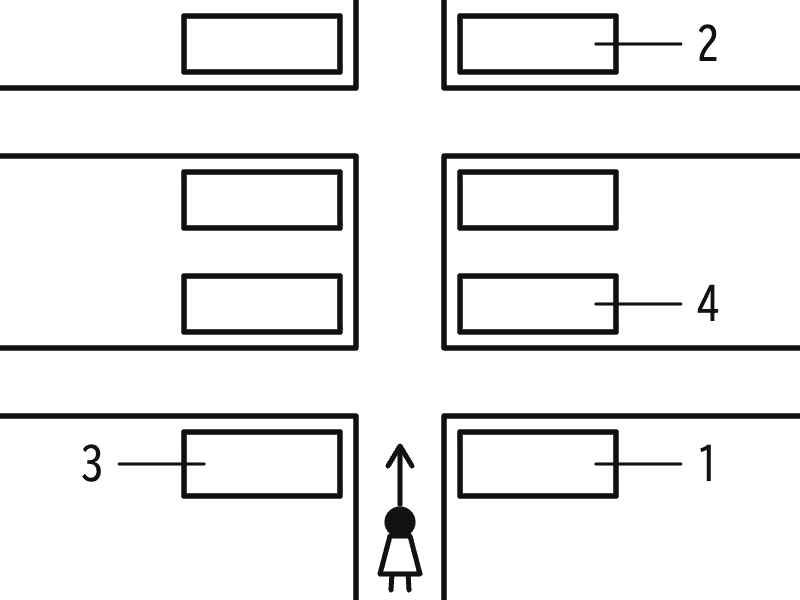
A simple street map seen from straight above, black line art, no words. One main road runs up the middle of the picture from the bottom edge to the top edge. Two cross streets cross it from the left edge to the right edge: the FIRST cross street in the lower half of the picture, the SECOND in the upper half, with a tall block between them. At the bottom edge, on the main road, a small woman stands facing up the page, with an arrow pointing up from her (the way she walks). At each of the two crossings there is one plain square building in each of the four corners (8 buildings in all, no labels, no star); on the right side between the two cross streets, the first crossing's building sits next to the lower cross street and the second crossing's building next to the upper one, clearly apart. Four buildings carry a plain number with a short leader line: 1 = right of the main road, BELOW the first cross street (lower-right corner of the first crossing); 2 = right of the main road, ABOVE the second cross street (upper-right corner of the second crossing); 3 = left of the main road, BELOW the first cross street (lower-left corner of the first crossing); 4 = right of the main road, ABOVE the first cross street (upper-right corner of the first crossing: on the walker's left just after she turns right at the first crossing). The other four buildings have no number. Marks: 1 lower-right corner of the first crossing; 2 upper-right corner of the second crossing; 3 lower-left corner of the first crossing; 4 upper-right corner of the first crossing.
  1. 1. 一(ひと)つ目(め)の角(かど)を右(みぎ)に曲(ま)がって右側(みぎがわ)

    This is the right-hand side after the turn, but he says the library is on the left.

  2. 2. 二(ふた)つ目(め)の角(かど)を右(みぎ)に曲(ま)がって左側(ひだりがわ)

    The second corner was his mistake; he corrects it to the first corner.

  3. 3. 一(ひと)つ目(め)の角(かど)を左(ひだり)に曲(ま)がって左側(ひだりがわ)

    He says to turn right, not left.

  4. 4. 一(ひと)つ目(め)の角(かど)を右(みぎ)に曲(ま)がって左側(ひだりがわ)Correct answer

    The man corrects himself: turn right at the first corner, not the second, and the library is just after the turn on the left. Choice 2 is his first, wrong direction.

Script

Narrator

女(おんな)の人(ひと)と男(おとこ)の人(ひと)が話(はな)しています。

A woman and a man are talking.

Narrator

図書館(としょかん)はどこですか。

Where is the library?

Woman

すみません、図書館(としょかん)はどこですか。

Excuse me, where is the library?

Man

図書館(としょかん)ですか。この道(みち)をまっすぐ行(い)って、二(ふた)つ目(め)の角(かど)を右(みぎ)に曲(ま)がってください。

The library? Go straight along this road and turn right at the second corner.

Man

あ、ちがいました。一(ひと)つ目(め)の角(かど)です。

Oh, sorry, I was wrong. It's the first corner.

Woman

一(ひと)つ目(め)の角(かど)を右(みぎ)ですね。

Right at the first corner, then.

Man

はい。曲(ま)がって、すぐ左(ひだり)にありますよ。

Yes. After you turn, it's right there on your left.

Woman

わかりました。ありがとうございます。

I see. Thank you.

Narrator

図書館(としょかん)はどこですか。

Where is the library?

4ばんQuestion 4

Replay in the video

学生(がくせい)はあした何(なに)を持(も)ってきますか。

  1. 1. 鉛筆(えんぴつ)と消(け)しゴムと辞書(じしょ)

    The teacher says the dictionary isn't needed.

  2. 2. 鉛筆(えんぴつ)と消(け)しゴムとノートCorrect answer

    The teacher asks for a pencil, an eraser and, at the end, a notebook for the composition. She starts to say dictionary but then says it isn't needed.

  3. 3. ボールペンと消(け)しゴムとノート

    They won't use ballpoint pens; they need a pencil.

  4. 4. 鉛筆(えんぴつ)とボールペンとノート

    They won't use ballpoint pens, and this choice leaves out the eraser.

Script

Narrator

教室(きょうしつ)で先生(せんせい)が話(はな)しています。

A teacher is talking in a classroom.

Narrator

学生(がくせい)はあした何(なに)を持(も)ってきますか。

What will the students bring tomorrow?

Woman

あしたは漢字(かんじ)のテストです。

Tomorrow there's a kanji test.

Woman

鉛筆(えんぴつ)と消(け)しゴムを持(も)ってきてください。ボールペンは使(つか)いません。

Please bring a pencil and an eraser. We won't use ballpoint pens.

Woman

辞書(じしょ)も…あ、辞書(じしょ)はいりません。

A dictionary too... oh, no, you don't need a dictionary.

Woman

それから、テストのあとで作文(さくぶん)を書(か)きますから、ノートも持(も)ってきてください。

And after the test we'll write a composition, so please bring a notebook too.

Narrator

学生(がくせい)はあした何(なに)を持(も)ってきますか。

What will the students bring tomorrow?

5ばんQuestion 5

Replay in the video

二人(ふたり)はあした何時(なんじ)に駅(えき)で会(あ)いますか。

  1. 1. 10時(じゅうじ)

    The woman says 10:00 is difficult for her.

  2. 2. 10時(じゅうじ)15分(じゅうごふん)Correct answer

    10:00 is too early for the woman, and 10:30 is too late because the trip to the theater takes 30 minutes, so they settle on 10:15.

  3. 3. 10時(じゅうじ)半(はん)

    From 10:30 they would only reach the theater at 11, so they change the time.

  4. 4. 11時(じゅういちじ)

    11:00 is when the movie starts, not when they meet.

Script

Narrator

男(おとこ)の人(ひと)と女(おんな)の人(ひと)が話(はな)しています。

A man and a woman are talking.

Narrator

二人(ふたり)はあした何時(なんじ)に駅(えき)で会(あ)いますか。

What time will the two of them meet at the station tomorrow?

Man

あしたの映画(えいが)は11時(じゅういちじ)からですね。駅(えき)で10時(じゅうじ)に会(あ)いませんか。

Tomorrow's movie starts at 11, right? Shall we meet at the station at 10?

Woman

すみません、10時(じゅうじ)はちょっと…。10時(じゅうじ)半(はん)はどうですか。

Sorry, 10 is a bit difficult... How about 10:30?

Man

10時(じゅうじ)半(はん)ですか。でも、駅(えき)から映画館(えいがかん)まで30分(さんじゅっぷん)かかりますよ。

10:30? But it takes 30 minutes from the station to the movie theater.

Woman

あ、そうですか。じゃ、10時(じゅうじ)15分(じゅうごふん)にしましょう。

Oh, really? Then let's make it 10:15.

Man

はい、そうしましょう。

OK, let's do that.

Narrator

二人(ふたり)はあした何時(なんじ)に駅(えき)で会(あ)いますか。

What time will the two of them meet at the station tomorrow?

6ばんQuestion 6

Replay in the video

男(おとこ)の子(こ)はこれから何(なに)をしますか。

  1. 1. ご飯(はん)を食(た)べる

    Dinner isn't ready yet; it will take about 30 more minutes.

  2. 2. お風呂(ふろ)に入(はい)る

    His mother says the bath comes after dinner.

  3. 3. 宿題(しゅくだい)をする

    He already did his homework at school.

  4. 4. お皿(さら)を出(だ)すCorrect answer

    His homework is already done and the bath comes after dinner, so his mother tells him to put out the plates first.

Script

Narrator

うちで男(おとこ)の子(こ)とお母(かあ)さんが話(はな)しています。

A boy and his mother are talking at home.

Narrator

男(おとこ)の子(こ)はこれから何(なに)をしますか。

What will the boy do now?

Man

ただいま。おなかがすいた。晩(ばん)ご飯(はん)、まだ?

I'm home. I'm hungry. Is dinner ready yet?

Woman

まだよ。あと30分(さんじゅっぷん)ぐらい。先(さき)に宿題(しゅくだい)をしてね。

Not yet. About 30 more minutes. Do your homework first.

Man

宿題(しゅくだい)は学校(がっこう)でもうしたよ。

I already did my homework at school.

Woman

そう。じゃ、テーブルにお皿(さら)を出(だ)してね。

Oh. Then put the plates out on the table.

Man

先(さき)にお風呂(ふろ)に入(はい)ってもいい?

Can I take a bath first?

Woman

お風呂(ふろ)はご飯(はん)のあと。先(さき)にお皿(さら)、お願(ねが)いね。

Bath comes after dinner. Plates first, please.

Man

はーい。

OK.

Narrator

男(おとこ)の子(こ)はこれから何(なに)をしますか。

What will the boy do now?

7ばんQuestion 7

Replay in the video

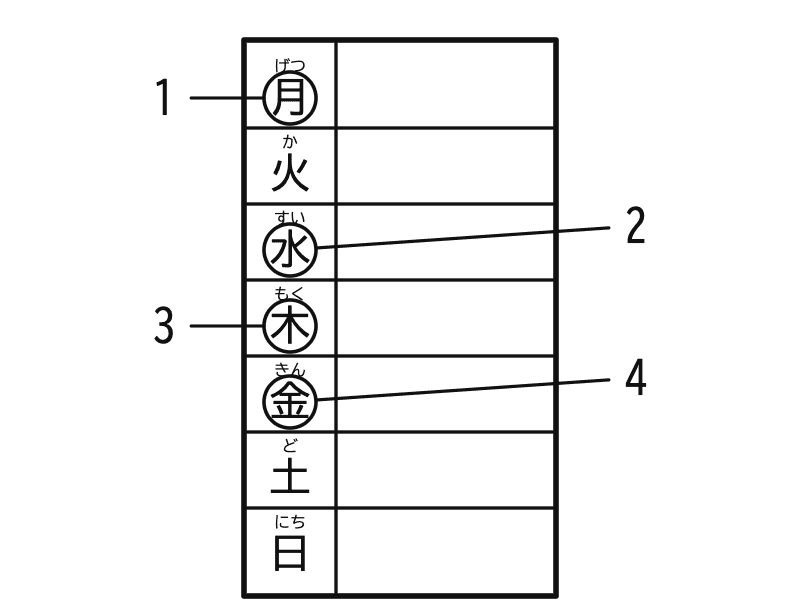
二人(ふたり)は何曜日(なんようび)にテニスをしますか。

One page of a weekly planner, black line art, like a notebook page: seven ruled rows from top to bottom, one per day of next week, each row with the day's kanji at its left end and small furigana above it: 月(げつ), 火(か), 水(すい), 木(もく), 金(きん), 土(ど), 日(にち), in that order from the top. No dates, no month, no other writing, the rows otherwise empty. Four of the day kanji have a thin circle around them, each circle with a thin leader line out to a plain number beside the page: 1 = 月 (Monday), 2 = 水 (Wednesday), 3 = 木 (Thursday), 4 = 金 (Friday); put 1 and 3 on the left of the page and 2 and 4 on the right so the lines of the neighbouring days 水 and 木 never cross. 火, 土 and 日 are not circled. Marks: 1 Monday (月); 2 Wednesday (水); 3 Thursday (木); 4 Friday (金).
  1. 1. 月曜日(げつようび)

    The woman says Monday is difficult for her.

  2. 2. 水曜日(すいようび)

    The man has a friend coming over on Wednesday.

  3. 3. 木曜日(もくようび)Correct answer

    Monday doesn't work for the woman, Wednesday doesn't work for the man, and the woman is busy on Friday, so they choose Thursday.

  4. 4. 金曜日(きんようび)

    The woman says she is busy on Friday.

Script

Narrator

男(おとこ)の人(ひと)と女(おんな)の人(ひと)が話(はな)しています。

A man and a woman are talking.

Narrator

二人(ふたり)は何曜日(なんようび)にテニスをしますか。

On what day of the week will the two of them play tennis?

Man

来週(らいしゅう)、いっしょにテニスをしませんか。

Would you like to play tennis together next week?

Woman

いいですね。何曜日(なんようび)がいいですか。

Sounds good. Which day is good for you?

Man

月曜日(げつようび)はどうですか。

How about Monday?

Woman

月曜日(げつようび)はちょっと…。水曜日(すいようび)はどうですか。

Monday is a bit difficult... How about Wednesday?

Man

水曜日(すいようび)は友(とも)だちがうちに来(き)ます。木曜日(もくようび)か金曜日(きんようび)はどうですか。

On Wednesday a friend is coming to my place. How about Thursday or Friday?

Woman

金曜日(きんようび)は忙(いそが)しいです。木曜日(もくようび)がいいです。

I'm busy on Friday. Thursday is good.

Man

じゃ、木曜日(もくようび)にしましょう。

Then let's make it Thursday.

Narrator

二人(ふたり)は何曜日(なんようび)にテニスをしますか。

On what day of the week will the two of them play tennis?

もんだい2Comprehension of key points

1ばんQuestion 1

Replay in the video

女(おんな)の人(ひと)は何番(なんばん)のバスに乗(の)りますか。

  1. 1. 7番(ななばん)

    The 7 goes to the airport, not the hospital.

  2. 2. 12番(じゅうにばん)

    The 12 goes to the hospital, but it doesn't run today because it's Sunday.

  3. 3. 17番(じゅうななばん)

    Bus 17 is never mentioned.

  4. 4. 21番(にじゅういちばん)Correct answer

    The 12 normally goes to the hospital, but it doesn't run on Sundays, so the man tells her to take the 21, which also goes there.

Script

Narrator

駅(えき)の前(まえ)で女(おんな)の人(ひと)と男(おとこ)の人(ひと)が話(はな)しています。

A woman and a man are talking in front of a station.

Narrator

女(おんな)の人(ひと)は何番(なんばん)のバスに乗(の)りますか。

Which number bus will the woman take?

Woman

すみません、病院(びょういん)へ行(い)くバスは7番(ななばん)ですか。

Excuse me, is the bus to the hospital the number 7?

Man

いいえ、7番(ななばん)は空港(くうこう)へ行(い)きます。病院(びょういん)は12番(じゅうにばん)です。

No, the 7 goes to the airport. For the hospital it's the 12.

Woman

12番(じゅうにばん)ですね。

The 12, then.

Man

あ、でも、きょうは日曜日(にちようび)ですから、12番(じゅうにばん)は来(き)ません。21番(にじゅういちばん)に乗(の)ってください。

Oh, but today is Sunday, so the 12 doesn't run. Please take the 21.

Woman

21番(にじゅういちばん)も病院(びょういん)へ行(い)きますか。

Does the 21 go to the hospital too?

Man

はい、行(い)きますよ。

Yes, it does.

Narrator

女(おんな)の人(ひと)は何番(なんばん)のバスに乗(の)りますか。

Which number bus will the woman take?

2ばんQuestion 2

Replay in the video

男(おとこ)の人(ひと)はどうしてきのうのパーティーに来(き)ませんでしたか。

  1. 1. かぜをひいたから

    He says it wasn't a cold.

  2. 2. 空港(くうこう)へ行(い)ったからCorrect answer

    He went to the airport because his mother arrived from his home country. He says it wasn't a cold and that work finished early.

  3. 3. 仕事(しごと)が忙(いそが)しかったから

    He says work finished early.

  4. 4. 頭(あたま)が痛(いた)かったから

    A headache is never mentioned.

Script

Narrator

女(おんな)の人(ひと)と男(おとこ)の人(ひと)が話(はな)しています。

A woman and a man are talking.

Narrator

男(おとこ)の人(ひと)はどうしてきのうのパーティーに来(き)ませんでしたか。

Why didn't the man come to the party yesterday?

Woman

きのうのパーティー、どうして来(き)ませんでしたか。かぜですか。

Why didn't you come to the party yesterday? Did you have a cold?

Man

いいえ、かぜじゃありません。

No, it wasn't a cold.

Woman

じゃ、仕事(しごと)が忙(いそが)しかったですか。

Then were you busy with work?

Man

仕事(しごと)は早(はや)く終(お)わりました。でも、国(くに)から母(はは)が来(き)ましたから、空港(くうこう)へ行(い)きました。

Work finished early. But my mother came from my home country, so I went to the airport.

Woman

そうですか。お母(かあ)さん、お元気(げんき)ですか。

I see. Is your mother well?

Man

はい、元気(げんき)です。

Yes, she's well.

Narrator

男(おとこ)の人(ひと)はどうしてきのうのパーティーに来(き)ませんでしたか。

Why didn't the man come to the party yesterday?

3ばんQuestion 3

Replay in the video

くつはきょう何階(なんがい)で売(う)っていますか。

  1. 1. 3階(さんがい)

    The 3rd floor is where shoes usually are, but not today or tomorrow.

  2. 2. 4階(よんかい)

    The 4th floor is for bags.

  3. 3. 5階(ごかい)Correct answer

    Shoes are usually on the 3rd floor, but today and tomorrow they are sold on the 5th floor.

  4. 4. 6階(ろっかい)

    The 6th floor has the restaurant.

Script

Narrator

デパートで店(みせ)の人(ひと)が話(はな)しています。

A store employee is making an announcement in a department store.

Narrator

くつはきょう何階(なんがい)で売(う)っていますか。

On which floor are shoes being sold today?

Woman

きょうもさくらデパートへようこそ。

Welcome to Sakura Department Store today as always.

Woman

きょうとあしたはくつとかばんがとても安(やす)いです。

Today and tomorrow, shoes and bags are very cheap.

Woman

くつはいつもは3階(さんがい)ですが、きょうとあしたは5階(ごかい)で売(う)っています。

Shoes are usually on the 3rd floor, but today and tomorrow they are sold on the 5th floor.

Woman

かばんは4階(よんかい)です。

Bags are on the 4th floor.

Woman

お昼(ひる)ご飯(はん)は6階(ろっかい)のレストランでどうぞ。

For lunch, please enjoy the restaurant on the 6th floor.

Narrator

くつはきょう何階(なんがい)で売(う)っていますか。

On which floor are shoes being sold today?

4ばんQuestion 4

Replay in the video

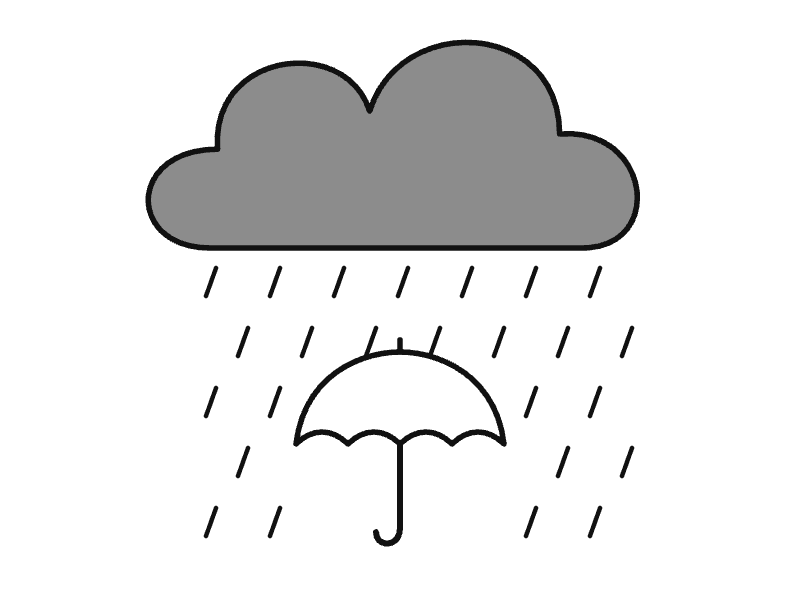
あしたの夕方(ゆうがた)はどんな天気(てんき)ですか。

  1. 1. くもりCorrect answer

    The man says the evening will be cloudy but without rain. Rain is for the morning and sunshine is from around 10 a.m.

  2. 2. 雨(あめ)

    Rain is only in the morning; he says it won't rain in the evening.

  3. 3. 晴(は)れ

    It's sunny from about 10 in the morning, not in the evening.

  4. 4. 雪(ゆき)

    Snow is never mentioned.

Script

Narrator

女(おんな)の人(ひと)と男(おとこ)の人(ひと)が話(はな)しています。

A woman and a man are talking.

Narrator

あしたの夕方(ゆうがた)はどんな天気(てんき)ですか。

What will the weather be like tomorrow evening?

Woman

あした、山(やま)へ行(い)きますね。天気(てんき)はどうですか。

We're going to the mountains tomorrow, right? How's the weather going to be?

Man

朝(あさ)は雨(あめ)ですね。

In the morning it'll rain.

Woman

え、雨(あめ)ですか。

What, rain?

Man

でも、10時(じゅうじ)ごろから晴(は)れますよ。

But it'll clear up from around 10.

Woman

よかった。夕方(ゆうがた)はどうですか。

Good. What about the evening?

Man

夕方(ゆうがた)はくもりです。でも、雨(あめ)は降(ふ)りません。

In the evening it'll be cloudy. But it won't rain.

Narrator

あしたの夕方(ゆうがた)はどんな天気(てんき)ですか。

What will the weather be like tomorrow evening?

5ばんQuestion 5

Replay in the video

女(おんな)の人(ひと)の誕生日(たんじょうび)はいつですか。

  1. 1. 4日(よっか)

    The man mishears よっか (4th); she corrects him to ようか (8th).

  2. 2. 8日(ようか)Correct answer

    She says her birthday is the 8th (ようか) and corrects the man when he mishears it as the 4th (よっか).

  3. 3. 14日(じゅうよっか)

    The 14th is never mentioned.

  4. 4. 20日(はつか)

    The 20th is the man's birthday, not hers.

Script

Narrator

男(おとこ)の人(ひと)と女(おんな)の人(ひと)が話(はな)しています。

A man and a woman are talking.

Narrator

女(おんな)の人(ひと)の誕生日(たんじょうび)はいつですか。

When is the woman's birthday?

Man

誕生日(たんじょうび)はいつですか。

When is your birthday?

Woman

来月(らいげつ)の8日(ようか)です。

The 8th of next month.

Man

4日(よっか)ですか。

The 4th?

Woman

いいえ、8日(ようか)です。

No, the 8th.

Man

ああ、8日(ようか)ですね。ぼくは20日(はつか)です。

Ah, the 8th. Mine is the 20th.

Woman

じゃ、二人(ふたり)とも来月(らいげつ)ですね。

So we both have birthdays next month.

Narrator

女(おんな)の人(ひと)の誕生日(たんじょうび)はいつですか。

When is the woman's birthday?

6ばんQuestion 6

Replay in the video

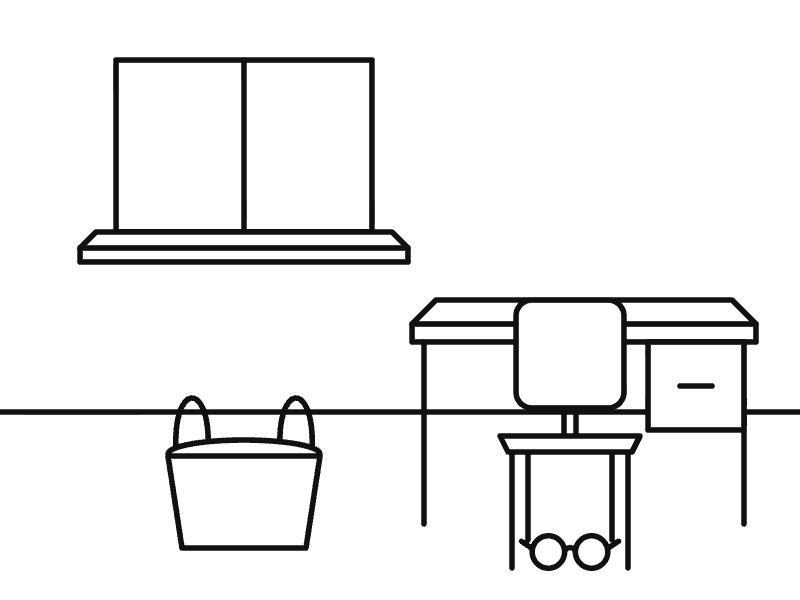
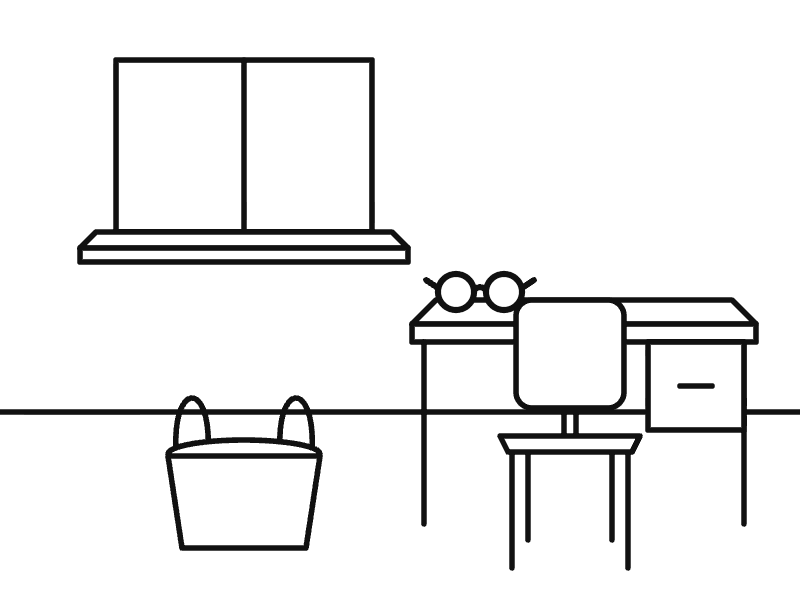
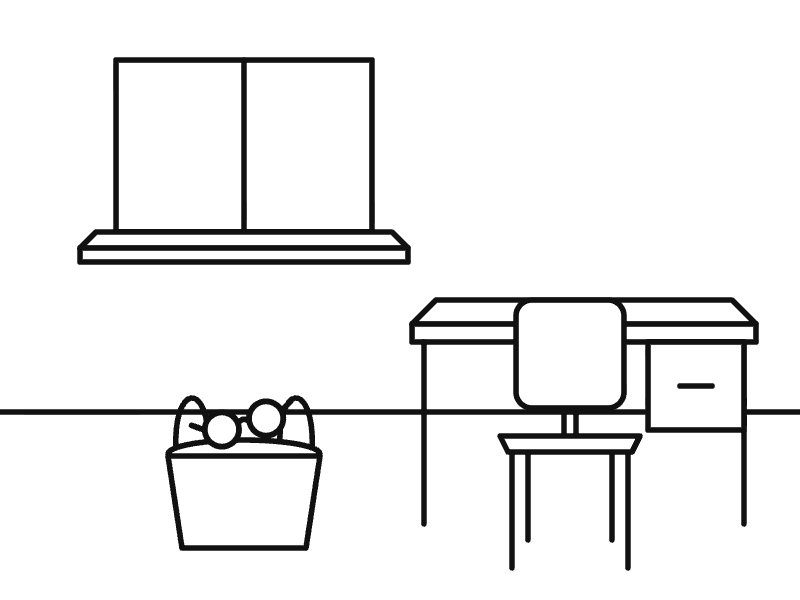
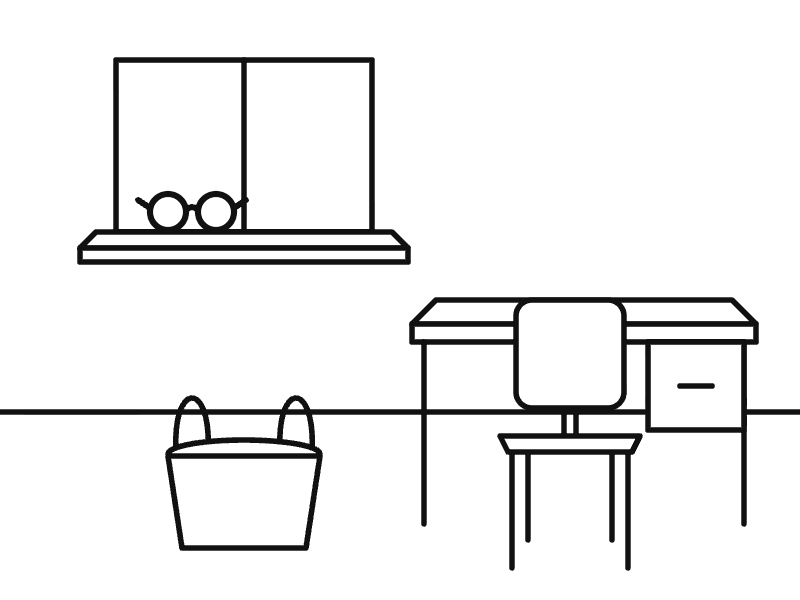
男(おとこ)の人(ひと)のめがねはどこにありましたか。

  1. 1. いすの下(した)Correct answer

    After checking the desk, his bag and the window, he finds the glasses under the chair.

  2. 2. 机(つくえ)の上(うえ)

    He says they're not on the desk.

  3. 3. かばんの中(なか)

    He already looked in his bag.

  4. 4. 窓(まど)の近(ちか)く

    He checks by the window, but they're not there either.

Script

Narrator

会社(かいしゃ)で男(おとこ)の人(ひと)と女(おんな)の人(ひと)が話(はな)しています。

A man and a woman are talking at the office.

Narrator

男(おとこ)の人(ひと)のめがねはどこにありましたか。

Where were the man's glasses?

Man

あれ?めがねがありません。

Huh? My glasses are gone.

Woman

机(つくえ)の上(うえ)は?

What about on your desk?

Man

机(つくえ)の上(うえ)にはありません。かばんの中(なか)も見(み)ました。

They're not on the desk. I looked in my bag too.

Woman

じゃ、窓(まど)の近(ちか)くは?朝(あさ)、そこで新聞(しんぶん)を読(よ)んでいましたね。

Then what about by the window? You were reading the newspaper there this morning.

Man

窓(まど)の近(ちか)くにも…ないですね。あ、ありました。いすの下(した)です。

Not by the window either... Oh, here they are. Under the chair.

Narrator

男(おとこ)の人(ひと)のめがねはどこにありましたか。

Where were the man's glasses?

もんだい3Verbal expressions

1ばんQuestion 1

Replay in the video

店(みせ)で、かばんを見(み)たいです。店(みせ)の人(ひと)に何(なん)と言(い)いますか。

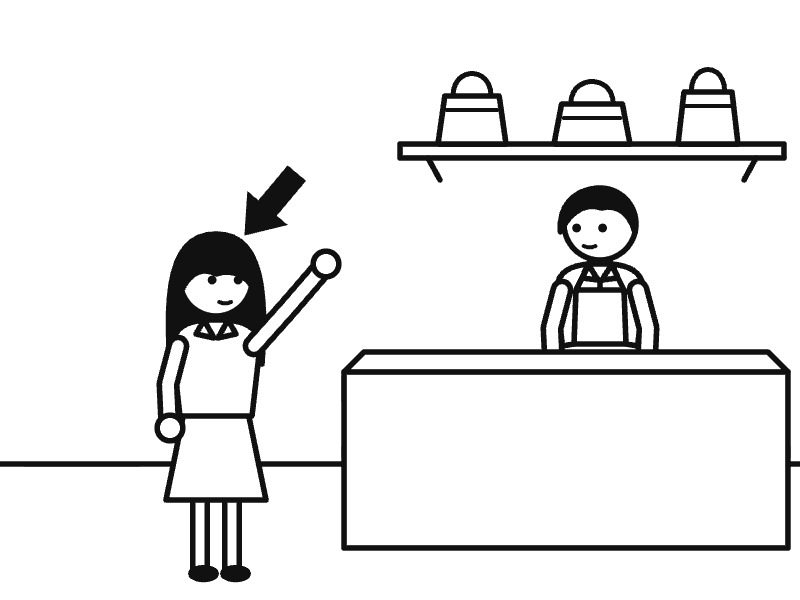
Inside a bag shop. A woman customer stands at the counter and points at a bag on a high shelf behind the counter. A male shop clerk stands behind the counter facing her.
  1. 1. あのかばんを見(み)てください。

    見てください asks the clerk to look at the bag, not to show it to you.

  2. 2. あのかばんを見(み)せてください。Correct answer

    見せてください means "please show me", which is how you ask to see something. 見てください asks the clerk to look at it.

  3. 3. あのかばんを見(み)ましょうか。

    見ましょうか offers to look at it for someone; it doesn't ask the clerk for anything.

Script

Narrator

店(みせ)で、かばんを見(み)たいです。店(みせ)の人(ひと)に何(なん)と言(い)いますか。

You want to look at a bag in a shop. What do you say to the shop clerk?

Woman

1. あのかばんを見(み)てください。

Please look at that bag.

Woman

2. あのかばんを見(み)せてください。

Please show me that bag.

Woman

3. あのかばんを見(み)ましょうか。

Shall I look at that bag?

2ばんQuestion 2

Replay in the video

会社(かいしゃ)で、先(さき)に帰(かえ)ります。何(なん)と言(い)いますか。

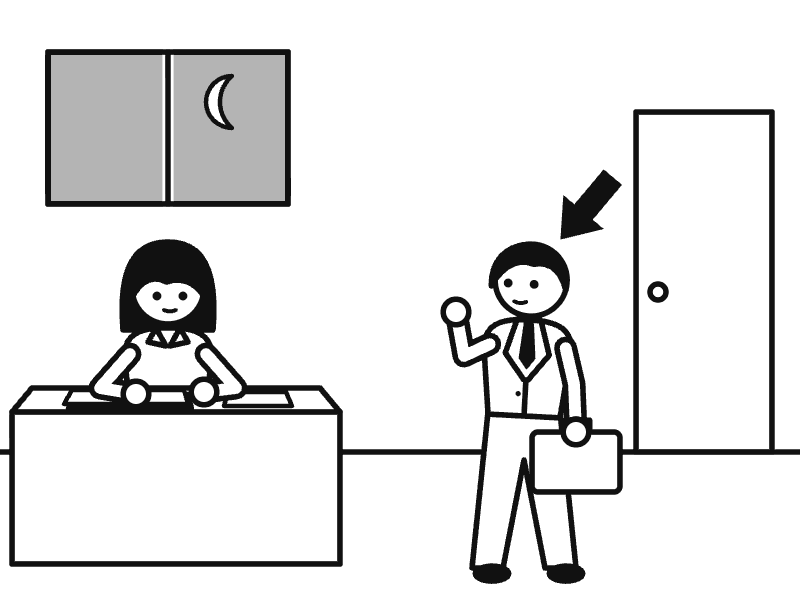
An office in the evening. A man in a suit holds his bag and is walking toward the door. A woman is still working at her desk with papers.
  1. 1. いってらっしゃい。

    いってらっしゃい is said to someone who is leaving, not by the person leaving.

  2. 2. おじゃまします。

    おじゃまします is said when you enter someone's home.

  3. 3. お先(さき)に失礼(しつれい)します。Correct answer

    お先に失礼します is what you say when you leave work before others. いってらっしゃい is said to the person who is going out, not by them.

Script

Narrator

会社(かいしゃ)で、先(さき)に帰(かえ)ります。何(なん)と言(い)いますか。

You are leaving the office before your coworker. What do you say?

Man

1. いってらっしゃい。

See you later. (said to someone going out)

Man

2. おじゃまします。

Excuse me for coming in. (said when entering someone's home)

Man

3. お先(さき)に失礼(しつれい)します。

Excuse me for leaving before you.

3ばんQuestion 3

Replay in the video

先生(せんせい)の話(はなし)がよくわかりませんでした。何(なん)と言(い)いますか。

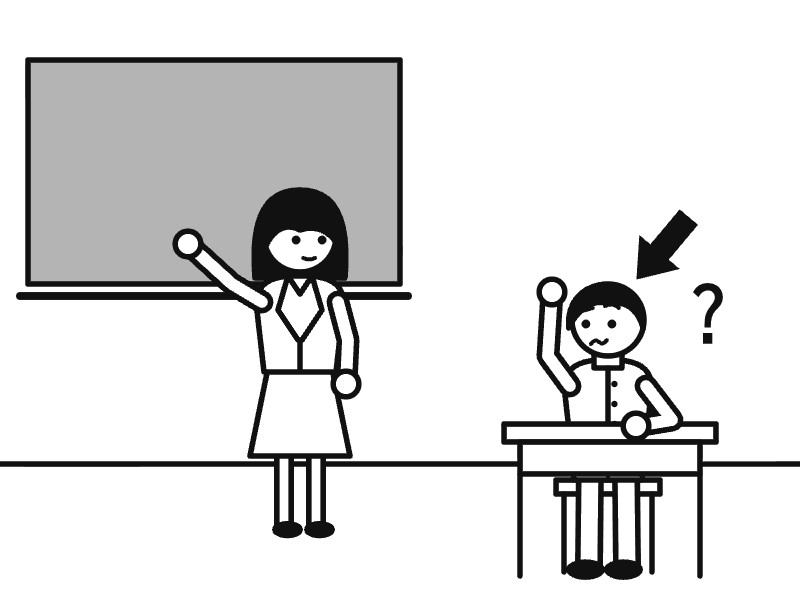
A classroom. A female teacher stands at the blackboard. A male student at his desk raises his hand and looks puzzled.
  1. 1. もう一度(いちど)言(い)ってください。Correct answer

    The student asks the teacher to repeat with 言ってください. 言いましょうか would be the teacher offering to repeat.

  2. 2. もう一度(いちど)言(い)いましょうか。

    言いましょうか offers to say it again yourself; this is what the teacher would say.

  3. 3. もう一度(いちど)聞(き)きましょう。

    聞きましょう is a suggestion to listen again, something a teacher says to the class.

Script

Narrator

先生(せんせい)の話(はなし)がよくわかりませんでした。何(なん)と言(い)いますか。

You didn't understand what the teacher said. What do you say?

Narrator

1. もう一度(いちど)言(い)ってください。

Please say it one more time.

Narrator

2. もう一度(いちど)言(い)いましょうか。

Shall I say it one more time?

Narrator

3. もう一度(いちど)聞(き)きましょう。

Let's listen one more time.

4ばんQuestion 4

Replay in the video

おばあさんの荷物(にもつ)はとても重(おも)いです。何(なん)と言(い)いますか。

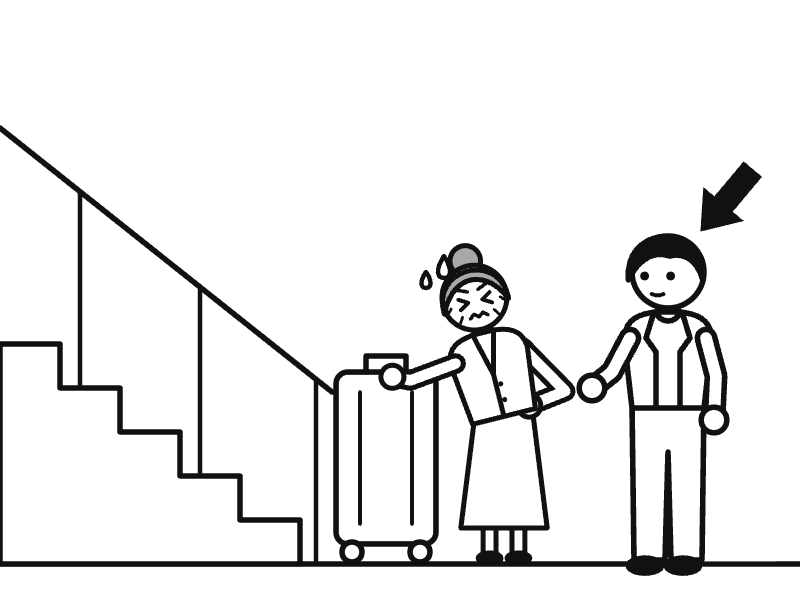
At the bottom of a station staircase. An old woman is struggling to carry a big heavy suitcase. A young man stands beside her.
  1. 1. 荷物(にもつ)、持(も)ちましょうか。Correct answer

    持ちましょうか offers to carry it for her. 持ってください would ask the old woman to carry it.

  2. 2. 荷物(にもつ)、持(も)ってください。

    持ってください asks her to carry it, which she is already struggling to do.

  3. 3. 荷物(にもつ)、持(も)っていますか。

    This asks whether she has luggage, but she is clearly holding it.

Script

Narrator

おばあさんの荷物(にもつ)はとても重(おも)いです。何(なん)と言(い)いますか。

The old woman's luggage is very heavy. What do you say?

Man

1. 荷物(にもつ)、持(も)ちましょうか。

Shall I carry your luggage?

Man

2. 荷物(にもつ)、持(も)ってください。

Please carry the luggage.

Man

3. 荷物(にもつ)、持(も)っていますか。

Do you have any luggage?

5ばんQuestion 5

Replay in the video

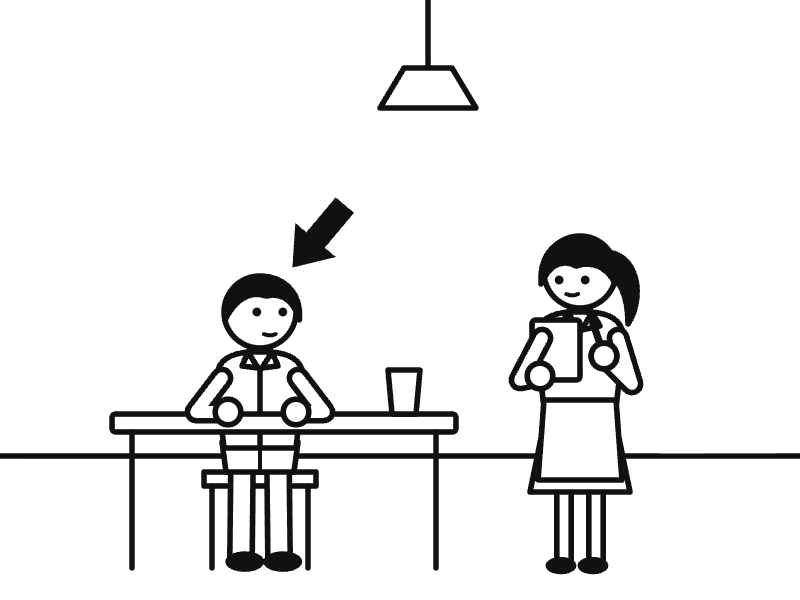
きっさてんでコーヒーを飲(の)みたいです。店(みせ)の人(ひと)に何(なん)と言(い)いますか。

A small cafe. A man sits alone at a table and looks up at a waitress who stands next to the table with a notepad.
  1. 1. コーヒー、どうぞ。

    どうぞ is said when you give something; the waitress would say this.

  2. 2. コーヒー、飲(の)みましたか。

    This asks the waitress about the past and doesn't order anything.

  3. 3. コーヒー、お願(ねが)いします。Correct answer

    お願いします is how a customer orders. どうぞ is what the waitress says when she gives the coffee.

Script

Narrator

きっさてんでコーヒーを飲(の)みたいです。店(みせ)の人(ひと)に何(なん)と言(い)いますか。

You want to drink a coffee at a cafe. What do you say to the waitress?

Man

1. コーヒー、どうぞ。

Here's a coffee for you.

Man

2. コーヒー、飲(の)みましたか。

Did you drink the coffee?

Man

3. コーヒー、お願(ねが)いします。

A coffee, please.

もんだい4Quick response

1ばんQuestion 1

Replay in the video
  1. 1. きのう買(か)いました。

    This answers when it was bought, not whose it is.

  2. 2. あの青(あお)いのです。

    This answers どれ (which one), not だれの (whose).

  3. 3. あ、わたしのです。Correct answer

    だれの asks whose it is, and わたしのです says it's mine. あの青いのです answers どれ (which one), which sounds similar to だれ.

Script

Man

このかさ、だれのですか。

Whose umbrella is this?

Woman

1. きのう買(か)いました。

I bought it yesterday.

Woman

2. あの青(あお)いのです。

It's that blue one.

Woman

3. あ、わたしのです。

Oh, it's mine.

2ばんQuestion 2

Replay in the video
  1. 1. とてもむずかしかったです。Correct answer

    どうでしたか asks how the test was, so a past-tense description fits.

  2. 2. はい、テストをしました。

    This answers "did you take it?" with yes, not how it was.

  3. 3. 来週(らいしゅう)の月曜日(げつようび)です。

    This gives a future date, but the test was yesterday.

Script

Woman

きのうのテスト、どうでしたか。

How was yesterday's test?

Man

1. とてもむずかしかったです。

It was very difficult.

Man

2. はい、テストをしました。

Yes, I took a test.

Man

3. 来週(らいしゅう)の月曜日(げつようび)です。

It's next Monday.

3ばんQuestion 3

Replay in the video
  1. 1. ええ、父(ちち)にあげました。

    If they had given it to their father, they wouldn't be wearing it.

  2. 2. ありがとうございます。父(ちち)にもらいました。Correct answer

    The person who answers is wearing the watch, so they got it from their father: 父にもらいました. If they had given it to their father, they wouldn't have it.

  3. 3. はい、父(ちち)がもらいました。

    This says their father received it, but they are the one wearing it.

Script

Man

その時計(とけい)、いいですね。

That watch is nice.

Woman

1. ええ、父(ちち)にあげました。

Yes, I gave it to my father.

Woman

2. ありがとうございます。父(ちち)にもらいました。

Thank you. I got it from my father.

Woman

3. はい、父(ちち)がもらいました。

Yes, my father received it.

4ばんQuestion 4

Replay in the video
  1. 1. 8月(はちがつ)です。

    This answers いつ (when), not whether you went somewhere.

  2. 2. はい、北海道(ほっかいどう)へ行(い)きました。Correct answer

    どこかへ行きましたか is a yes/no question, so "yes, I went to Hokkaido" fits. "No" followed by a place doesn't make sense.

  3. 3. いいえ、北海道(ほっかいどう)です。

    Saying "no" and then naming a place doesn't make sense.

Script

Woman

夏休(なつやす)みはどこかへ行(い)きましたか。

Did you go anywhere during the summer vacation?

Man

1. 8月(はちがつ)です。

It's in August.

Man

2. はい、北海道(ほっかいどう)へ行(い)きました。

Yes, I went to Hokkaido.

Man

3. いいえ、北海道(ほっかいどう)です。

No, Hokkaido.

5ばんQuestion 5

Replay in the video
  1. 1. ええ、きのう見(み)ました。

    This is about yesterday, but the invitation is for tomorrow.

  2. 2. はい、見(み)てください。

    見てください tells the other person to watch it; it doesn't answer the invitation.

  3. 3. いいですね。見(み)ましょう。Correct answer

    見ませんか is an invitation, and いいですね。見ましょう accepts it.

Script

Man

あした、いっしょに映画(えいが)を見(み)ませんか。

Would you like to see a movie together tomorrow?

Woman

1. ええ、きのう見(み)ました。

Yes, I saw it yesterday.

Woman

2. はい、見(み)てください。

Yes, please watch it.

Woman

3. いいですね。見(み)ましょう。

Sounds good. Let's see it.

6ばんQuestion 6

Replay in the video
  1. 1. 一(ひと)つ100円(ひゃくえん)です。Correct answer

    いくら asks the price, so "100 yen each" fits. 三つです answers いくつ (how many), which sounds similar.

  2. 2. 三(みっ)つです。

    This answers いくつ (how many), not いくら (how much).

  3. 3. あそこにあります。

    This answers どこ (where), not the price.

Script

Woman

すみません、このりんご、いくらですか。

Excuse me, how much are these apples?

Man

1. 一(ひと)つ100円(ひゃくえん)です。

They're 100 yen each.

Man

2. 三(みっ)つです。

There are three.

Man

3. あそこにあります。

They're over there.

Get ready for the N5

Learn the words, grammar and kanji the N5 tests, with daily reviews that bring back what you're about to forget.

About the app